
As the world enters a year marked by political transitions, economic uncertainty, and sharpening geopolitical rivalries, new conflict assessments warn that instability is set to intensify across several key regions. Many of the pressures that defined recent years — fragmented armed groups, stressed governments, and expanding criminal networks — are converging with fresh triggers, from contested elections to shifting regional alliances.
Against this backdrop, ACLED — a global monitoring project that tracks political violence and unrest — identifies the areas most at risk of escalation in 2026. These hotspots reveal how entrenched conflicts, state fragility, and adaptive non-state actors may shape the international security landscape in the months ahead.
The conflicts projected to intensify in 2026 intersect with global trade, energy flows, migration, and the balance of power among regional and international actors. Instability in one area can produce ripple effects in others, especially as conflict becomes increasingly fragmented and driven by decentralized armed groups, shifting alliances, and asymmetric tactics.
For policymakers, humanitarian organizations, and global institutions, anticipating these dynamics is essential. Understanding where instability is most likely to deepen helps shape readiness, diplomatic priorities, and crisis-response planning as the world enters a politically charged year.
From Latin America to the Middle East, ACLED’s 2026 data and analysis, complemented by an interactive map, highlight 10 regions where armed groups, shifting alliances, and ongoing conflicts are poised to reshape security dynamics:
Across Latin America and the Caribbean, tensions are rising as Venezuela remains a flashpoint, with U.S. threats of intervention threatening to destabilize domestic order and spill over into neighboring states. This broader climate of pressure and uncertainty is prompting governments across the region to expand military roles in policing and deepen security cooperation with foreign partners. Countries such as Bolivia, Chile, Honduras, Costa Rica, Peru, Colombia, and Brazil are expected to adopt tougher security measures ahead of elections, while militarized “war on crime” policies and heavy-handed enforcement risk escalating violence, empowering state actors to commit abuses, and further eroding civil liberties. These regional dynamics set the stage for localized crises, including in Ecuador, where entrenched gangs and strained state capacity are likely to drive rising insecurity.
Ecuador stands out as a hot spot, with entrenched gangs expected to resist prison reforms and politically motivated attacks likely ahead of the 2027 local elections. Developments in Colombia and Peru, coupled with U.S. military operations in the Caribbean and Pacific, may further intensify crime, trafficking, and displacement pressures. The country’s rising insecurity illustrates a broader pattern across the region: militarized responses struggling to contain violence, a challenge mirrored in other parts of the world.
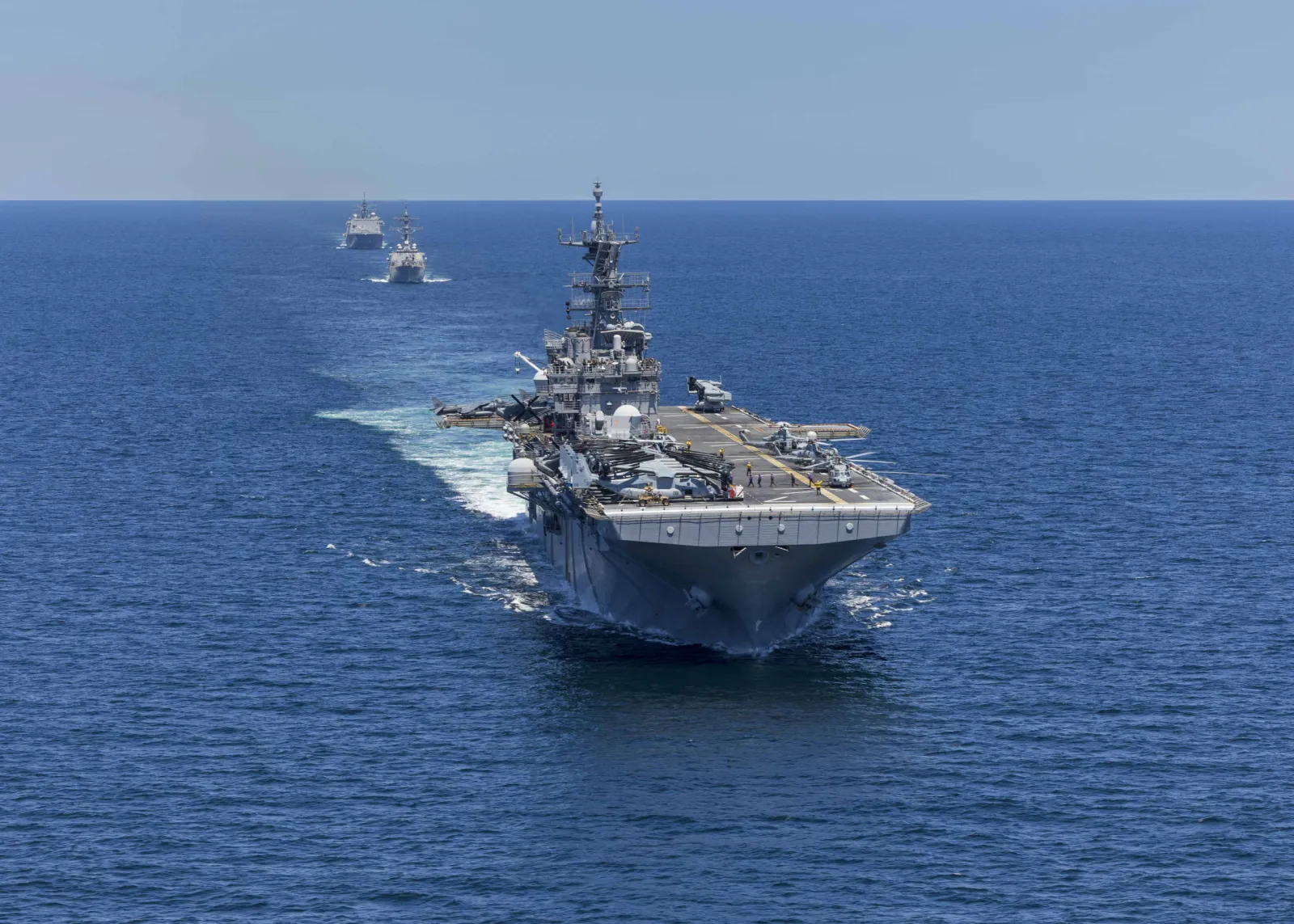
In Europe, Ukraine has repeatedly exceeded expectations in resisting Russian advances, but it now faces critical challenges as the conflict enters a potentially decisive phase. Russian forces are intensifying offensives in Donetsk, expanding long-range strikes on cities and energy infrastructure, and pressing for territorial concessions. Ukrainian troops are stretched thin, air defenses remain under pressure, and U.S. policy under President Trump is recalibrating in response to Moscow’s moves, while President Vladimir Putin seeks to weaken Western cohesion. How the war unfolds over the next year will have lasting implications for European security and broader global alignments.
Shifting focus to Asia, Myanmar highlights how state-led coercion can perpetuate instability. China’s support for elections beginning December 28, 2025, aims to decentralize power from coup leader Min Aung Hlaing and enable a civilian-fronted government acceptable to the international community, potentially accelerating trade and securing Belt and Road projects. Yet the military remains deeply unpopular, and coercive polls are unlikely to bring stability. Over 100 civilians have already been arrested under the new election law, and resistance groups continue to block voting in areas they control, raising the risk of widespread violence. Even with external backing, the junta’s reliance on ethnic divisions, coercion, and border partnerships is likely to perpetuate instability and humanitarian suffering through 2026.
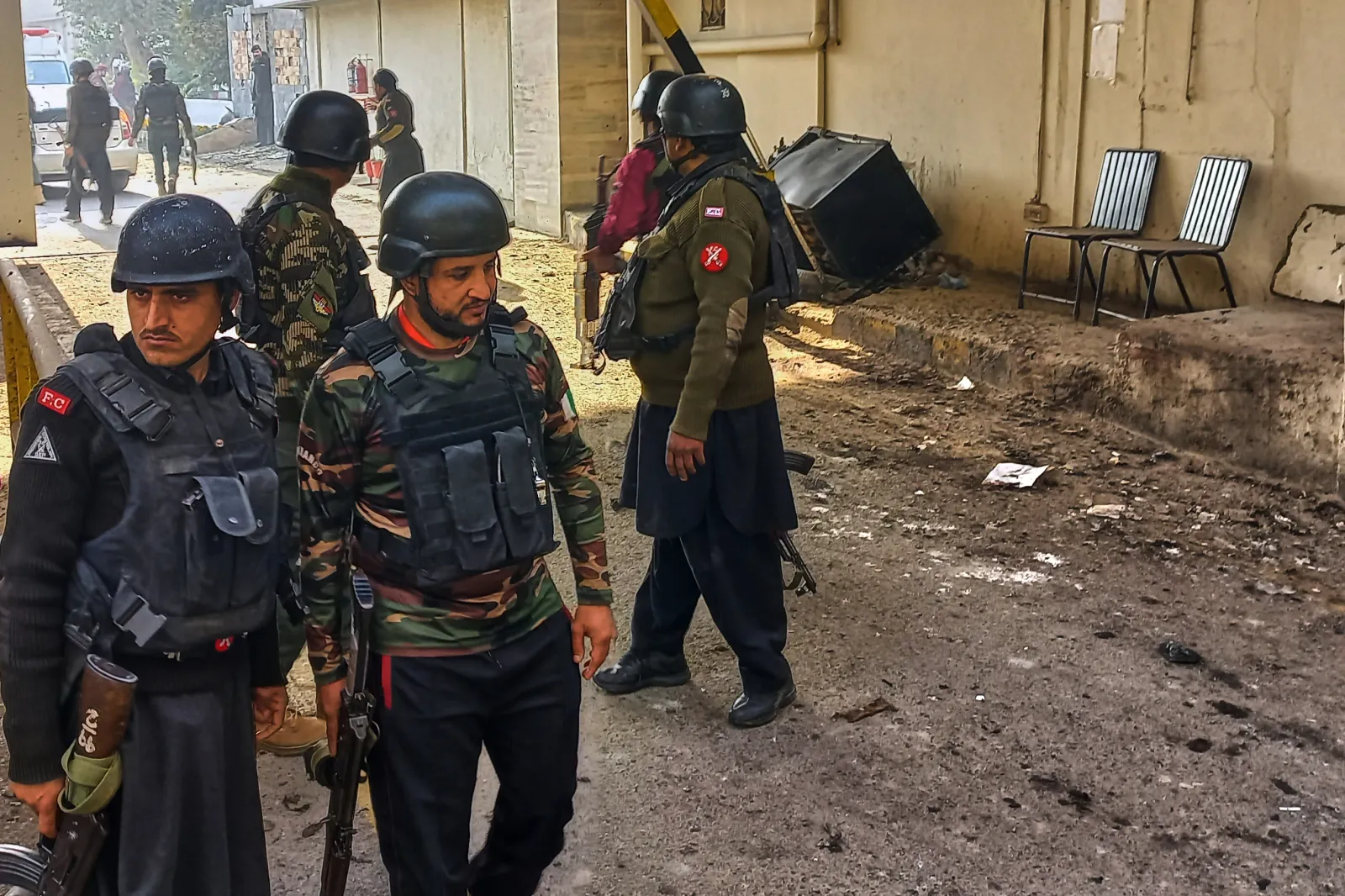
Meanwhile, in South Asia, Pakistan faces a volatile security environment. Sustained military pressure on militants is undermined by limited political engagement with Baloch and Pashtun groups and continued safe havens across Afghanistan. The porous border allows the TTP and other militants to retreat and regroup, while local militias and drone strikes may further destabilize the region. Separatist activity in Balochistan is likely to increase, fueled by poppy cultivation, mining disputes, and illicit funding, creating additional flashpoints that could spill into urban centers. Without Afghan cooperation or a major shift in Pakistan’s strategy, sporadic violence could spread to cities, deepening security challenges.
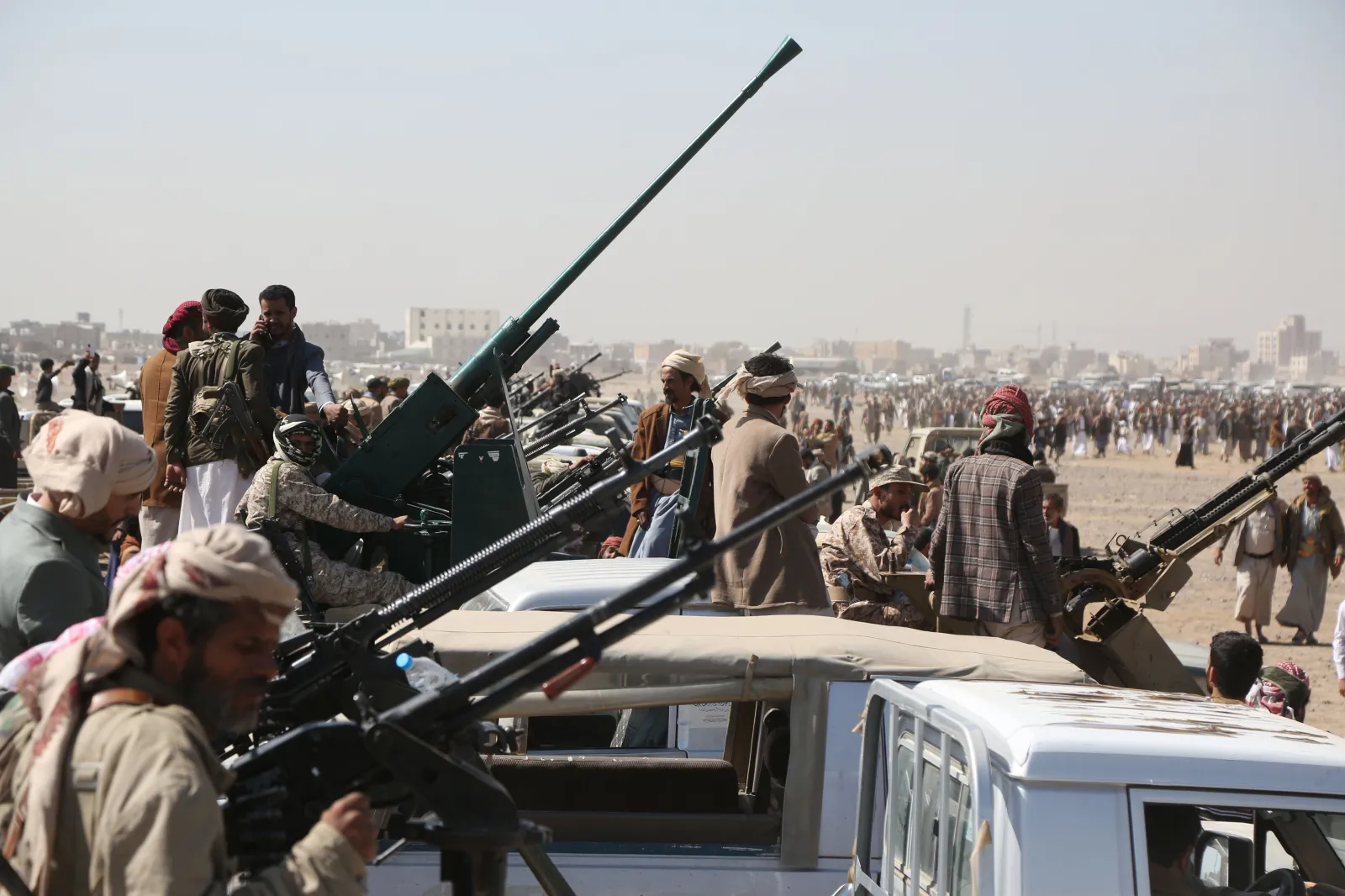
Shifting to the Middle East and Horn of Africa, the Red Sea remains a high-risk corridor for global commerce, where the Israel-Hamas ceasefire and a pause in Houthi attacks offer only a fragile chance for stabilization. Houthis retain long-range drone and missile capabilities, and their growing coordination with AQAP, al-Shabaab, and IS Somalia threatens to expand militant influence across the Red Sea and Horn. Persistent regional rivalries, including Ethiopia-Eritrea tensions, alongside competing agendas from Gulf powers and international actors, leave the corridor highly vulnerable to proxy conflicts, sudden escalation, and disruptions to global trade.
In Africa’s Sahel region, Mali, Burkina Faso, and Niger remain central battlegrounds as al-Qaeda and Islamic State affiliates push toward coastal West Africa, exploiting political transitions, weak institutions, and shifting alliances. The Sahel and western Nigeria are increasingly merging into a single, volatile theater, with JNIM, ISSP, ISWAP factions, and local bandits intensifying violence. Weak militias, overstretched armies, and limited external support heighten the risk of political destabilization, territorial fragmentation, and a potential domino effect across the region.
Sudan further exemplifies the fragility of state control in conflict zones. The SAF and RSF continue consolidating territory in the eastern and western regions, expanding offensives in Kordofan and Darfur, and upgrading aerial and drone capabilities. Internal factional tensions, reliance on rival militias, and widespread civilian targeting make it Africa’s deadliest conflict for civilians, while international ceasefire and political negotiation efforts face major obstacles.
The Middle East enters 2026 under significant strain, with overlapping conflicts, political transitions, and unresolved disputes shaping the regional landscape. Israel is managing multiple active or potential fronts—in Palestine, Lebanon, Syria, and Iran—where periods of calm mask deep structural tensions. Gaza’s humanitarian situation is expected to remain severe, with ongoing Israeli operations, Hamas’ control, and limited international oversight contributing to instability. Short-term military gains coexist with long-term strategic uncertainty, particularly as Iran quietly rebuilds military and nuclear capabilities, after U.S. and Israeli strikes in June.
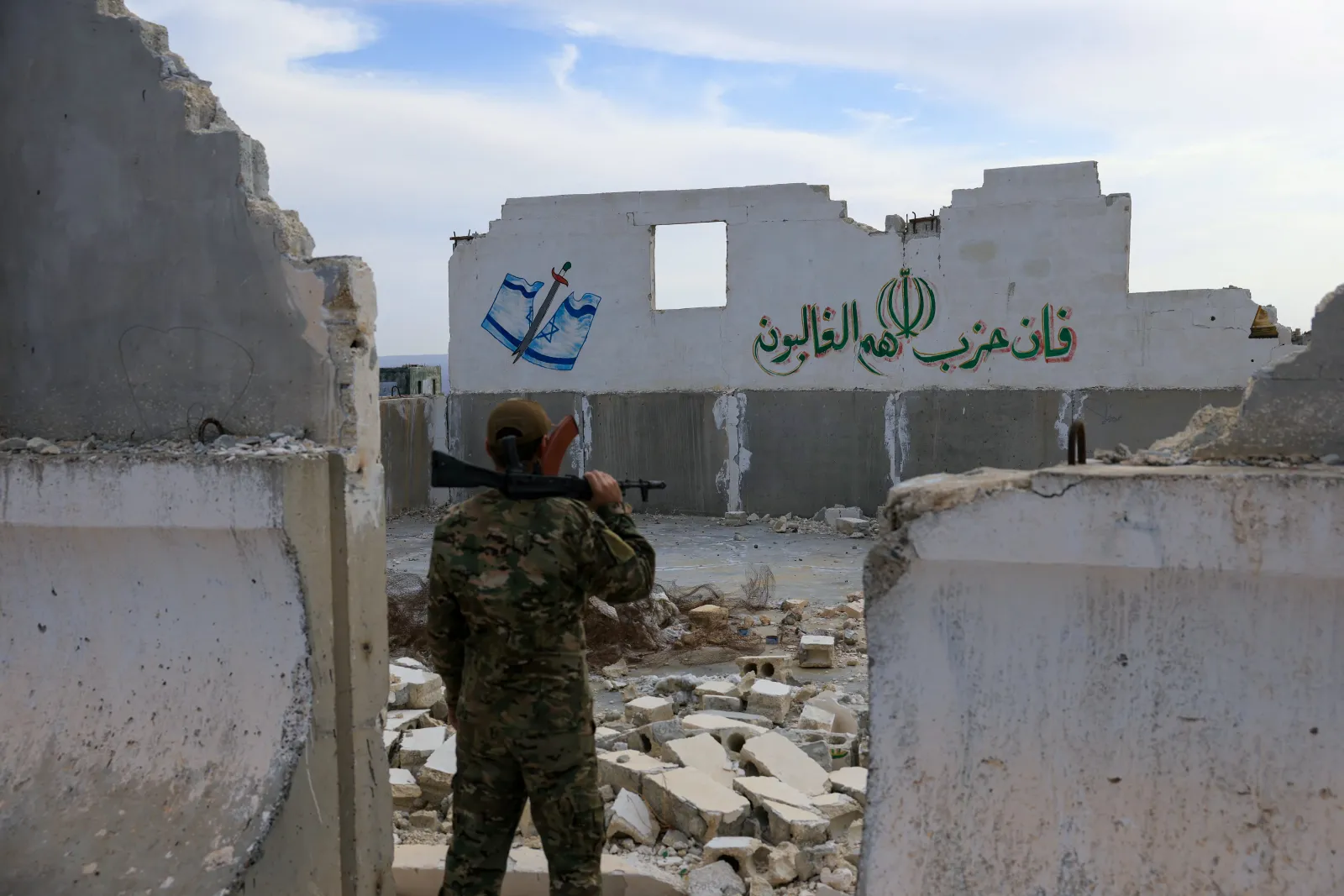
Finally, Syria illustrates the persistent fragility of conflict-affected states. Despite security reforms, rebel integration, and renewed diplomatic engagement, sectarian tensions, economic fragility, and Islamic State cells leave the country vulnerable to flare-ups, shifting frontlines, and high-impact violence.
Taken together, these interconnected regions underscore a volatile global security environment, where instability in one country can quickly ripple across Latin America, Africa, and the Middle East. Conflict zones are likely to evolve through shifting alliances, urbanizing battlefields, and expanding involvement of regional actors, while armed groups and criminal networks may reorganize rapidly, creating new uncertainties for governments and humanitarian agencies.
Rising displacement and cross-border pressures will increase the demand for early-warning systems, coordinated crisis management, and sustained diplomacy to prevent localized conflicts from escalating into broader regional crises. Proxy networks, strategic infrastructure, and shifting alliances will remain key drivers of instability, shaping the global security landscape throughout the year.

