
Russian Deputy Foreign Minister Sergey Ryabkov warned that NATO and his nation had moved dangerously close to direct conflict in 2025, warning of the “catastrophic consequences” of nuclear-powered nations going to war.
The ally of Russian President Vladimir Putin pointed to actions viewed as aggressive from the United States and its allies.
“This was actively supported by some of the most hawkish European NATO members, notably Britain and France, whose actions were particularly aggressive,” Ryabkov warned, Russia’s Tass news agency reported on Monday.
Russian officials have issued several warnings in recent weeks over global conflicts and diplomatic decisions, as tensions around whether a wider conflict between Russia and Europe, or other nations, could erupt have continued. Last week, as the Trump administration made bolder moves in the Caribbean, Russia said it would be a fatal mistake for the U.S. to escalate its actions against longtime ally Venezuela.
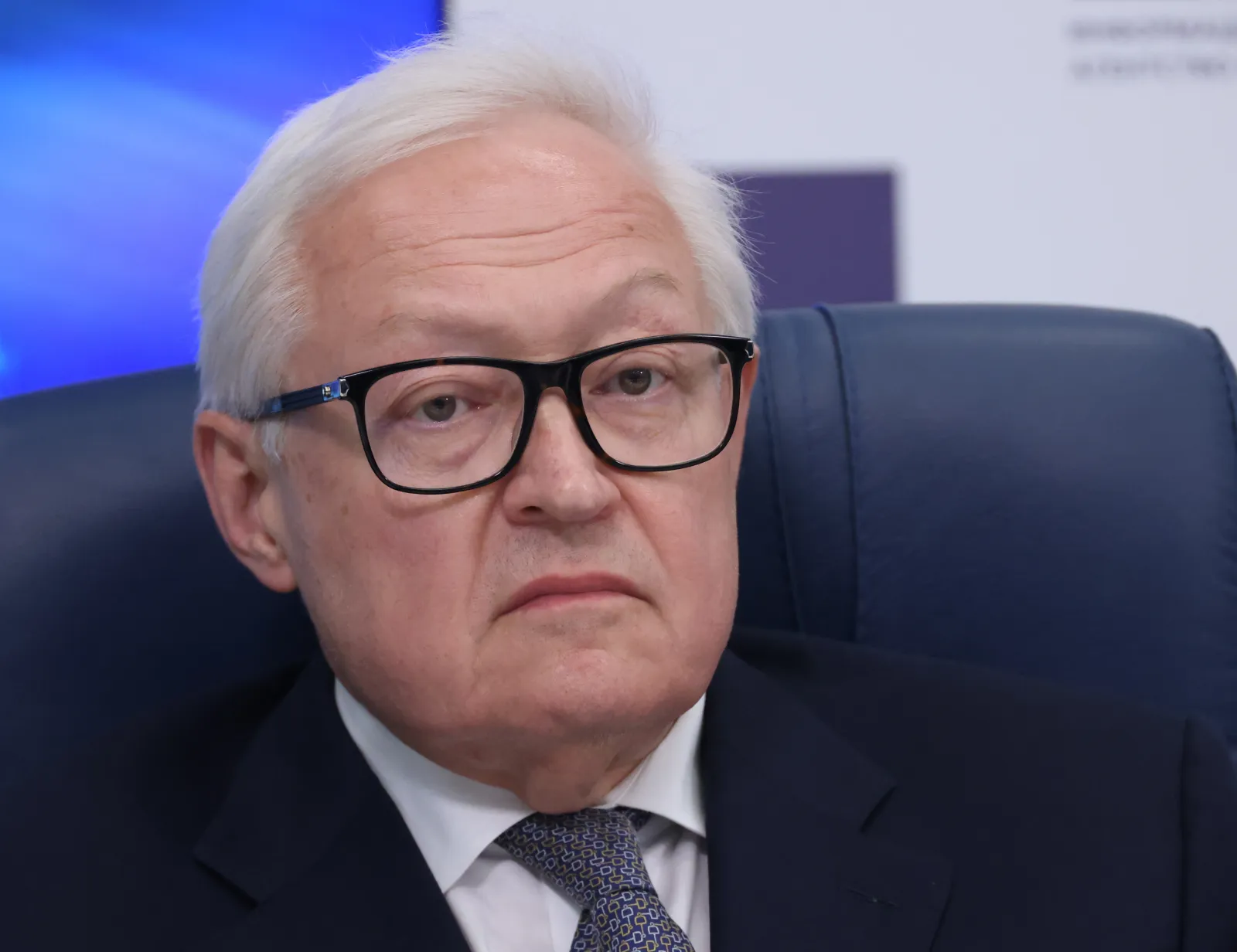
Pointing to concerns about direct military confrontation between nuclear-powered nations, Ryabkov said: “It’s redundant to emphasize, especially for this audience, that such a conflict would have catastrophic consequences.”
The comments came as part of a discussion at the Valdai Discussion Club, where the official spoke of moves by former U.S. President Joe Biden at the end of 2024, seeking a “strategic defeat” of Russia, that he said were highly provocative.
For much of 2025, Russia has been involved in negotiations with the Trump administration and Ukraine, all seeking an end to the war between the two nations that began with Russia’s invasion on February 24, 2022. While some progress has been made, attacks have continued from both sides, while the U.S. and other NATO nations have cautioned of the potential for the fighting to spread and escalate, with the threat of nuclear weapons.
On Monday, Ukrainian forces hit an oil terminal, a pipeline, two parked fighter jets and two ships as part of a series of strikes on Russian soil, as they struggle to hold back Russia’s army on home territory. A top Russian general was killed in a car bomb in Moscow, with investigators suspecting that Ukraine was behind the attack.
NATO nations have largely thrown their support behind Ukraine, rather than Russia, and that has added to the already-strained ties between Moscow and the likes of France, Germany and the U.K.
Russian Deputy Foreign Minister Sergey Ryabkov, speaking Monday on the potential for a conflict between nuclear powers: “It’s redundant to emphasize, especially for this audience, that such a conflict would have catastrophic consequences.”
U.S. Secretary of State Marco Rubio, speaking to the press December 19: “A negotiated settlement requires two things: both sides to get something out of it, and both sides to give something. And we’re trying to figure out what can Russia give, and what do they expect to get; what can Ukraine give and what can Ukraine expect to get. In the end, the decision will be up to Ukraine and up to Russia. It will not be up to the United States.”
Ukrainian President Volodymyr Zelensky, on X on Sunday: “Ukraine’s negotiating team is currently working in Florida – there will be more meetings today with the American delegation, with envoys of President Trump. Work on the documents on ending the war, on security guarantees, and on reconstruction is ongoing – they are going through each point in detail, and there is constructive engagement with the American side. This is important.”
As discussions between Russia, Ukraine and the U.S. continue, Zelensky said on Monday that he is working to impose several new sanctions on Russian entities by the end of the year.

