
Three-minute read
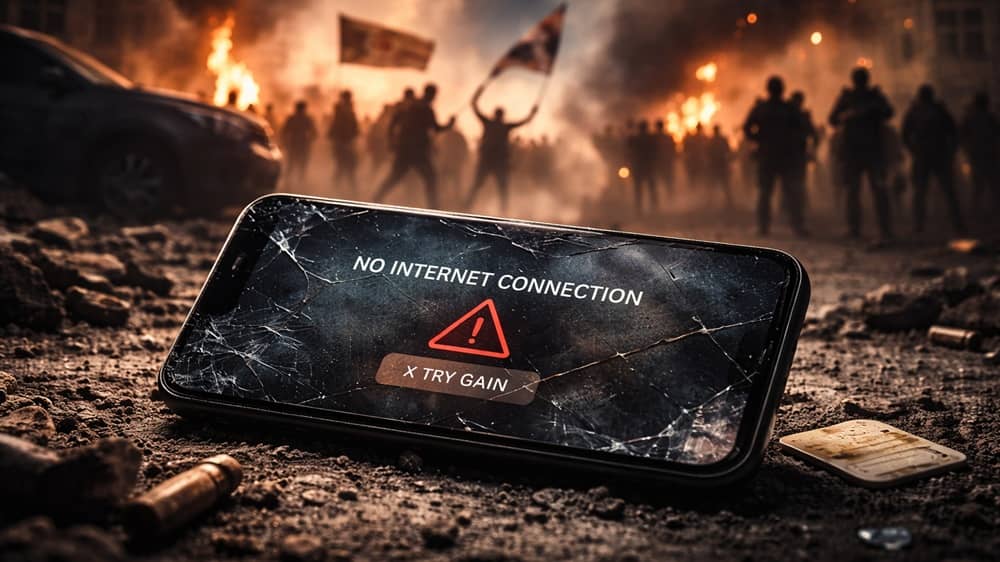
As Iran’s streets ignite with fury across scores of cities since late December 2025, demanding an end to decades of repression, economic ruin, and isolation, a draconian internet blackout imposed in early January 2026 has plunged the nation into digital darkness. Connectivity has plummeted to near-zero in vast regions, severing ordinary citizens from the world and each other, forcing them to navigate peril with smuggled whispers and fleeting signals. In this void, where survival hinges on evasion and ingenuity, social media platforms like X buzz with a peculiar intensity—debates that exalt Reza Pahlavi and monarchist visions as the uprising’s true vanguard.
Footage from the chaos captures crowds invoking Pahlavi’s name, framing these outbursts as unfiltered cries from the heart of the resistance. Yet, beneath this veneer lies a troubling rift: posts daring to question Pahlavi’s influence—highlighting potential opportunism, edited videos, or rifts within the movement—are inundated with ferocious rebuttals.
Examinations of prominent X threads from December 2025 to January 2026, some drawing thousands of interactions, paint a damning picture. In discussions exceeding 500 replies critiquing Pahlavi’s detachment or strategic missteps, roughly 85% of comments lash out at the skeptics, branding them as saboteurs or worse. About 35% descend into raw vulgarity—profane outbursts, vicious slurs, and threats laced in English and Persian, echoing a mob’s unbridled rage. These salvos bear the fingerprints of orchestration: echoed phrasing, faceless accounts, and relentless pacing that defies the sporadic access of genuine protesters.
This onslaught clashes violently with the blackout’s iron grip. Enduring online in such a siege demands elite privileges or prohibitive costs—satellite links or hidden tech that elude the masses enduring shortages and surveillance. How, then, do these defenders, purporting to echo voices from Iran’s embattled core, unleash such torrents? The evidence points to engineered amplification: bots, expatriate cadres, or shadowy operatives sculpting an illusion of consensus.
Further scrutiny invokes a stark parallel from the regime’s own playbook. During the brutal 12-day war in October 2025, as missiles rained down on military targets and infrastructure crumbled under bombardment, the regime’s “White SIM card” network sprang into action. These privileged mobile lines, doled out to loyalists and operatives, bypassed widespread disruptions to flood platforms with fervent endorsements of Supreme Leader Ali Khamenei and the battered armed forces. Accounts, shielded from the chaos afflicting the populace, churned out propaganda portraying resilience and divine mandate, even as the nation reeled. This selective lifeline exposed the regime’s mastery of digital manipulation—weaponizing access to rally its base and drown out despair.
Now, pivot to the present: Who fuels this pro-Pahlavi frenzy, shielding him from critique with such venom? Is it the handiwork of a foreign-orchestrated push, as laid bare in Citizen Lab’s October 2025 exposé of an AI-fueled influence operation bent on regime collapse? That study unveiled sophisticated ploys—deepfake clips simulating prison uprisings and arsenal blasts, AI-crafted images inflating economic turmoil like frenzied bank runs, and doctored anthems with subversive lyrics seeded into dissident circles. Bot swarms, hijacking real profiles and timing posts for maximum spread, recycled footage to mimic organic revolt, even dictating protest slogans to steer the narrative.
Or, more provocatively, could it be the regime’s cyber army repurposing those same White SIM tactics? If so, the irony scorches: Why expend precious resources to elevate an avowed adversary during the gravest existential peril since 1979—a maelstrom of strikes, defections, and global isolation? Such a gambit would betray desperation, positioning Pahlavi not as foe but as unwitting lifeline—a decoy to splinter the opposition, dilute radical demands, or channel unrest into a containable monarchy that preserves theocratic shadows. The regime, cornered and crumbling, might calculate that boosting a “safe” alternative buys time, averting total annihilation.
This enigma demands unflinching interrogation: In a revolution forged in blood and blackout, whose interests does this digital defense truly serve? The streets pulse with raw, unscripted defiance, yet the online realm reeks of artifice, eroding solidarity and inviting exploitation. Iran’s fate hangs not on amplified idols but on the unyielding will of its people to reclaim their voice from the manipulators—be they distant puppeteers or the tyrants within. The truth, once confronted, could shatter illusions and forge a path beyond division, toward a dawn untainted by deception.

