
Log-in here if you’re already a subscriber
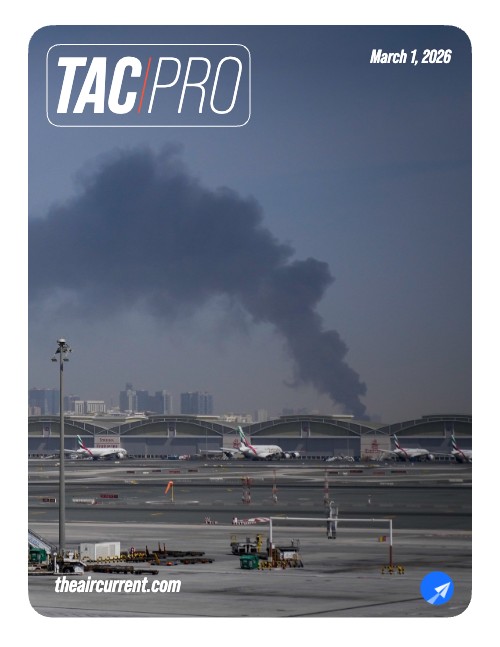
It is still early days of a conflict with Iran that President Donald Trump said could last “weeks,” and which may have profound consequences for the Middle East and beyond. From 1979 until last year, the U.S. avoided direct confrontation with the Islamic Republic, and the current turmoil has caused immediate collateral damage for businesses that rely on peace.
At least for the immediate term, global civil aviation loses another huge swath of sky through which it can safely transit, this one including a critical juncture that connects the planet.
Related: Resurgent U.S. mercantilism upsets an aviation system engineered for globalization
Israel and the U.S. launched daytime strikes on thousands of Iranian targets beginning on Feb. 28, a move designed to destabilize the Islamic Republic’s government in the name of limiting its nuclear capability and the power of its proxies throughout the region.
Iranian ballistic missiles and drones impacted or were intercepted in nations including Bahrain, Cyprus, Iraq, Israel, Jordan, Oman, Qatar, Saudi Arabia and the United Arab Emirates, a startling jolt across the region and for the aspiring future capitals of global aviation which sit at the edge of a regional neighborhood that could charitably be called complicated.
Subscribe to continue reading…
Subscribe to Continue Reading
Our award-winning aerospace reporting combines the highest standards of journalism with the level of technical detail and rigor expected by a sophisticated industry audience.
- Exclusive reporting and analysis on the strategy and technology of flying
- Full access to our archive of industry intelligence
- We respect your time; everything we publish earns your attention

