
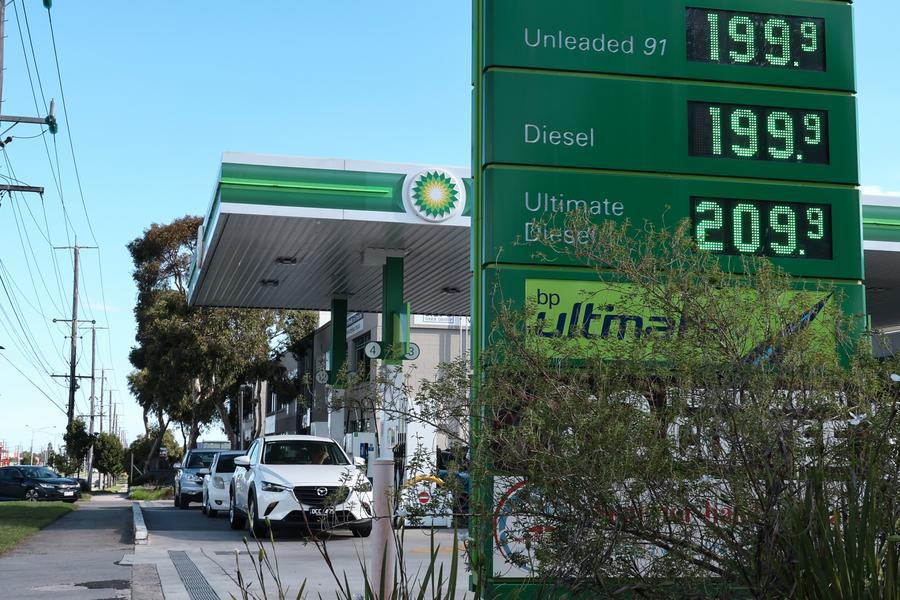
“Higher energy costs ripple across manufacturing, transport, and consumer goods, potentially slowing growth and increasing inflationary pressures worldwide,” said an Istanbul-based economic analyst.
ISTANBUL, March 17 (Xinhua) — Geopolitical tensions in the Middle East and spiking oil prices are reshaping global capital flows, prompting investors to reassess their exposure to risk, an Istanbul-based economic analyst has said.
“The closure of the Strait of Hormuz and Brent crude prices surging above 100 (U.S.) dollars per barrel are sending immediate shockwaves through financial markets,” Murat Tufan, research director at Destek Portfolio Management, told Xinhua.
“Investors are now reallocating portfolios toward safer sectors, including energy, infrastructure, and strategic technologies,” he said.

The conflict, which began with attacks involving the United States and Israel against Iran, has spread beyond direct clashes to involve multiple Gulf states. This escalation is heightening regional instability and affecting critical economic and strategic infrastructure.
Tufan noted that Gulf nations, long reliant on oil revenues, have been diversifying their economies in anticipation of a lower global dependence on fossil fuels.
“Countries in the region are investing in tourism, security, digital infrastructure, and energy projects to develop new sources of income,” he said. “This shift is attracting international investors, including Chinese firms, targeting projects that could generate cash flow when oil revenues decline.”
Despite these diversification efforts, immediate energy disruptions are impacting global markets. “The world remains highly dependent on oil. Any interruption in supply affects transportation, industry, and trade. If prices stay above 100 dollars for a prolonged period, the global economy could face another wave of inflation,” Tufan warned.
He also highlighted rising geopolitical risks for strategic assets, including ports, data centers, and energy supply lines.
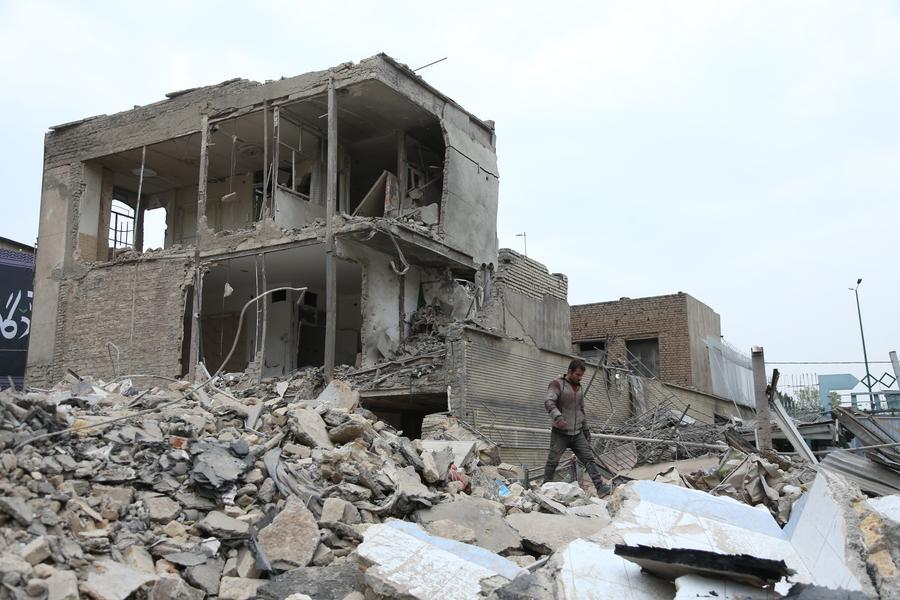
“These are no longer just commercial assets — they have become strategic targets,” he said. “Companies with major investments in energy, logistics, and digital infrastructure are reviewing multi-regional backup systems to mitigate potential disruptions.”
According to Tufan, even the perception of a disruption in energy supply or strategic infrastructure can trigger sharp swings in commodity prices, global equities, and technology sector valuations.
Tufan added that Gulf countries’ efforts to diversify are being closely watched by global investors, who see opportunities in emerging sectors such as renewable energy, smart logistics, and digital finance. “The region is positioning itself for a post-oil future, which could redefine international investment patterns over the next decade,” he said.
He also warned that economies heavily dependent on oil imports, including those in Europe and Asia, are facing immediate challenges. “Higher energy costs ripple across manufacturing, transport, and consumer goods, potentially slowing growth and increasing inflationary pressures worldwide,” Tufan noted.
Looking ahead, Tufan emphasized that geopolitical tensions could accelerate the adoption of alternative energy and supply chain resilience strategies. “Firms and governments alike are being forced to rethink long-term planning, diversify energy sources, and invest in infrastructure that can withstand geopolitical shocks,” he said. ■
