
Global markets have swung sharply in recent days as signals from U.S. President Donald Trump on the war with Iran shifted from escalation to possible diplomacy, underscoring how investor expectations — not events on the ground — are driving prices.
Until earlier this week, tensions appeared to be intensifying, with Trump warning Iran it could face strikes on its energy infrastructure if it did not reopen the Strait of Hormuz. That risk was already reflected in rising oil prices and cautious trading across global markets.
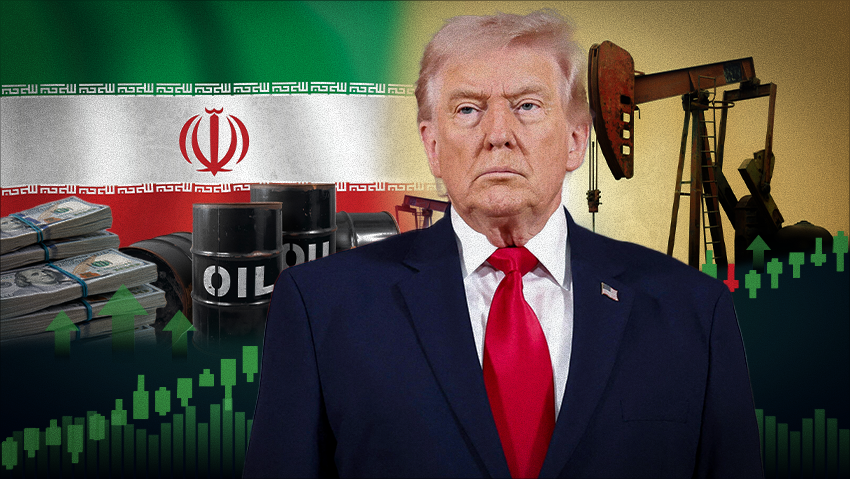
But a single remark by Trump suggesting “talks” with Tehran could be underway quickly changed sentiment. Within hours, oil prices dropped sharply, stock markets surged and trillions of dollars in value shifted.
Analysts say the reaction may seem disproportionate, but reflects how markets function: investors price the future, not the present.
A potential regional war involving Iran — a key player in global energy — raises fears of supply disruptions, higher energy costs and economic instability. Any signal of de-escalation, even without concrete developments, reduces perceived risk and leads to a rapid repricing of assets.
Oil markets are particularly sensitive. Prices often include what traders call a “geopolitical risk premium,” reflecting fears of disruptions to supply routes such as the Strait of Hormuz.
When Trump signaled a possible diplomatic opening, traders moved quickly to sell oil, removing that risk premium. Brent crude dropped sharply before later rebounding as conflicting messages emerged.
Markets have followed a near-consistent pattern: signals of easing tensions push oil lower and stocks higher, while threats or escalation drive the opposite reaction.
The speed of these moves has been amplified by algorithmic trading systems, which scan headlines and social media in real time and execute trades based on keywords such as “talks,” “agreement” or “delay.” That can trigger chain reactions as price moves draw in additional investors.
Recent days have provided multiple examples. Trump’s suggestion of “productive talks” and delay of an ultimatum sent oil down more than 10% at one point and lifted stock indexes, including a gain of more than 600 points in the Dow Jones Industrial Average.
But when Iranian officials denied talks were taking place, oil prices climbed again, and markets gave back some gains. Later remarks by Trump again pushed prices lower, highlighting ongoing volatility.
Similar patterns were seen earlier, when Trump denied plans to deploy additional troops or suggested scaling back military efforts, moves that also eased market fears.
Conversely, early in the conflict, tougher rhetoric — including calls for Iran’s “complete surrender” — helped drive a sharp surge in oil prices.
Trump’s communication style has played a central role. His frequent public statements, often delivered in real time and sometimes before policy decisions are finalized, have forced markets to interpret each remark as a potential signal of future action.
That influence has become significant enough that market participants attempt to identify patterns in his messaging, with some traders viewing the shifts as opportunities.
Despite the role of algorithms and data, analysts say markets remain driven by human psychology — fear, optimism and uncertainty.
In that environment, even a single sentence from the U.S. president can alter expectations about the future — and move global markets within minutes.

