India-US Trade Deal: Economic Gains and Geopolitical Shifts | Outlook India
The emerging trade pact promises lower tariffs, increased US investments, and closer strategic alignment, while India continues balancing ties with Russia.
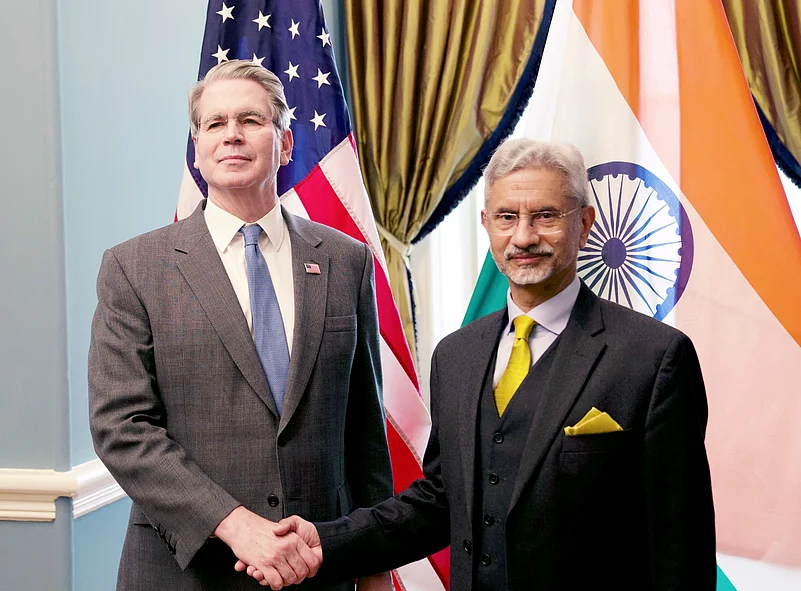
In this image posted on Feb. 4, 2026, External Affairs Minister S. Jaishankar with United States Treasury Secretary Scott Bessent during a meeting, in Washington, US. Photo: PTI
In this image posted on Feb. 4, 2026, External Affairs Minister S. Jaishankar with United States Treasury Secretary Scott Bessent during a meeting, in Washington, US. Photo: PTI

Summary of this article
-
The deal cuts tariffs from 50 to 18 per cent, opening the US market and attracting technology and investment.
-
Closer ties with Washington help India counter China’s growing assertiveness and strengthen Quad cooperation.
-
India maintains relations with Russia, but engagement with the US signals a gradual tilt in foreign policy alignment.
The devil, as always, is in the details and for now there is very little of it. Yet the emerging India-US trade pact, whenever it is finally concluded, will reshape more than just trade and tariffs but will also have geopolitical implications.
India will not announce a clean break from its old balancing act, and public messaging will continue to emphasise strategic autonomy. In practice, however, New Delhi appears to be edging closer to Washington, not just for access to investments and the lucrative American market but also for strategic consideration and China’s muscle-flexing across the disputed 3,488-km border with India.
That process began nearly 25 years ago when India-US ties got a fillip after Bill Clinton’s visit in 2000 and the clinching of the India-US nuclear deal during Manmohan Singh’s tenure. Bilateral ties got a jolt with Trump’s tariff war last year and the US tilt towards Pakistan after the Sindoor operation. Now, with the announcement of a trade deal and lowering tariffs from 50 per cent to a reasonable 18 per cent, a new chapter in cooperation has begun.
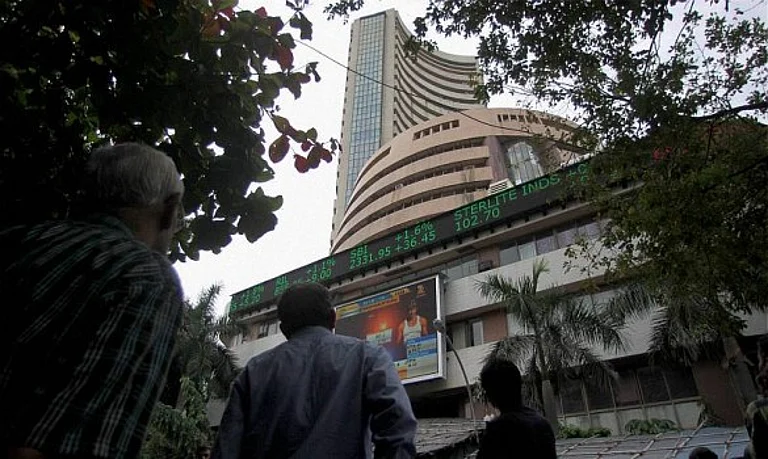
“The deal’s significance is geopolitical too. It cools one major front so that India can address its real endurance test from the north, where pressure is applied at the border, by technology denial, and through influence campaigns in the neighborhood below conflict level,’’ says Syed Akbaruddin, India’s former envoy to the UN, without naming China.

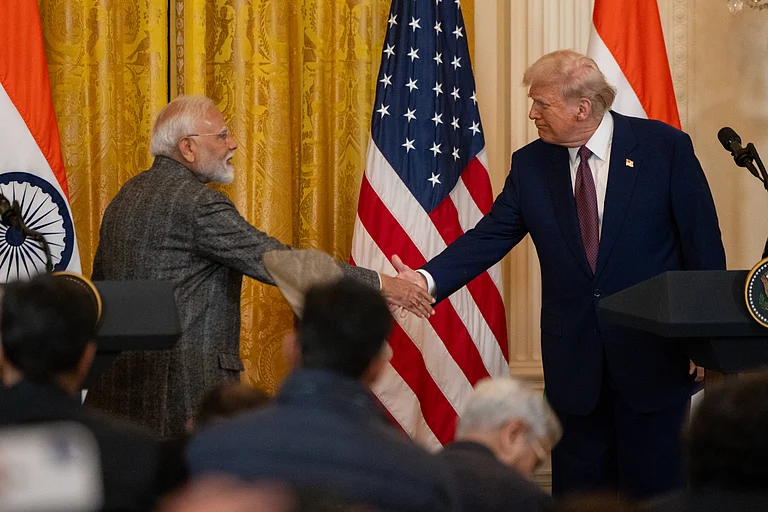
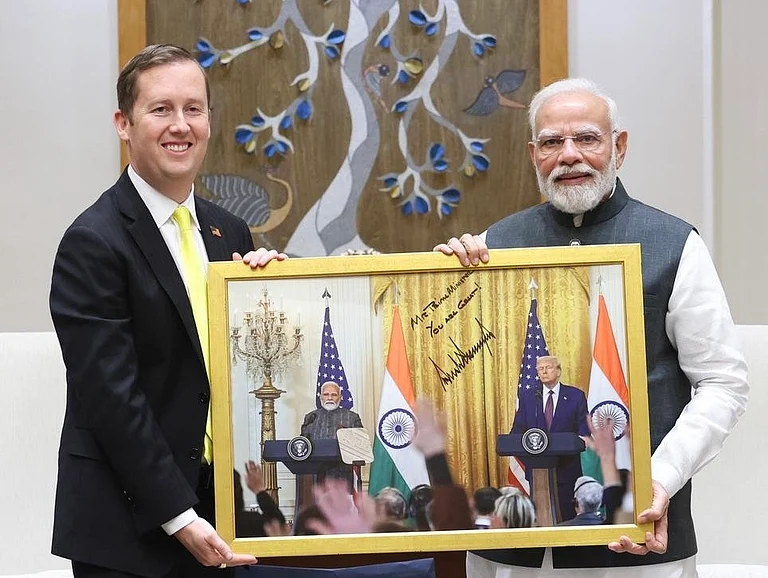
The importance of the US for India’s development cannot be overstated. New Delhi needs US investments and technology to create jobs and expand trade to leap-frog India and its teeming millions to become a developed country by 2047.
The assertive rise of China as an economic and military power ready to challenge US supremacy has led to bipartisan support in Washington for aligning with India. “The US also sees India as a continued balancer of its China and Indo-Pacific strategies and hence there is a mutual strategic dependence,’’ says retired diplomat Anil Wadhwa.
China’s repeated aggressive moves against India, culminating in a military confrontation in Ladakh in the summer of 2020, has also pushed successive governments in New Delhi to look to Washington. The Quad grouping of the US, India, Australia and Japan, is an attempt to contain China. India will take a decade and more to catch up with China’s defence capabilities, and is therefore working with the US could help blunt China’s moves in Asia.
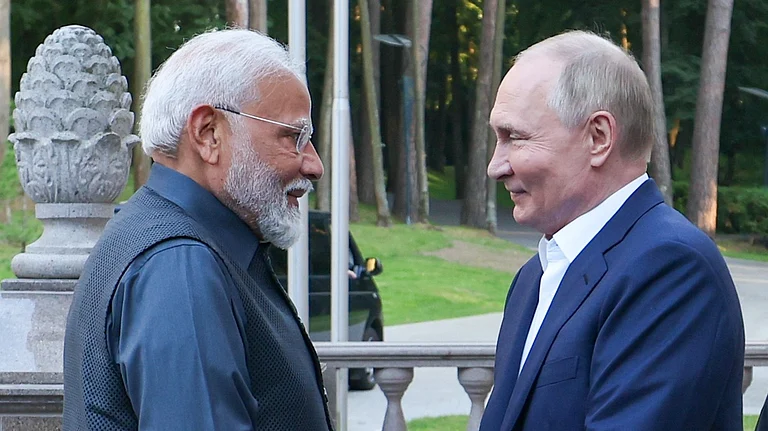
Where does this leave Russia, India’s traditional longtime partner? During Russian President Vladimir Putin’s visit to New Delhi in December, the warmth between him and Prime Minister Narendra Modi was on full display. Indians, cutting across all sections, regard Russia as one of the country’s loyal friends. What happens to ties with Moscow? “There is an understanding in the highest political level. Russia is deeply ingrained in the Indian system. The trade deal with the US won’t make much of a difference. It is a unique relationship, not dependent on a third country,’’ says Talmiz Ahmad, former ambassador to Saudi Arabia and the UAE.
Russia would have been in the know about the deal and also India’s compulsions on not buying Russian oil. Though oil purchases have been substantially reduced some oil is still sourced from private traders, outside the two main entities that were recently sanctioned by the Trump administration.
“There will be no dramatic rupture but greater distance, though the two countries will continue to work together on several issues, including reform of multilateral institutions, including UN reforms, defence, space and several other key areas,’’ says Nandan Unnikrishnan of the Observer Research Foundation.
“India’s relations with Russia will remain on even keel. The oil purchases were necessitated and facilitated due to a set of factors which included large discounts on Russian oil. Since that arbitrage has shrunk, India should buy from whichever source feasible and reasonable since it is a large energy importer,’’ Wadhwa adds.
Strategic autonomy has been the guiding principle of India’s foreign policy since Independence, and it has served New Delhi well. But the political leadership, whether of the Congress or the BJP have tried to have a toe-hold in both the US and Russian camps. However, the West, through its punitive sanctions against Moscow, following the annexation of Crimea and the Ukraine war has pushed Russia deeper and deeper into China’s arms.
Despite the fond hopes of the Indian establishment, and yearning to return to the good old days of strategic autonomy, India-Russia ties are bound to suffer as New Delhi gradually inches closer to the US. The West has pushed Russia, through its crippling sanction regime, deeper into China’s arms.
Pragmatism demands closer ties with the US. India will continue its balancing act as far as it can sustain it, however strategic autonomy will survive more as a narrative than as a policy. Diplomacy may speak one language while hard-nosed international politics will dictate alignment. But a question that haunts India is whether the US, more so the temperamental Donald Trump can be trusted.
- Previous Story

Trump Threatens 50% Tariffs, Moves To Decertify Canadian Aircraft
- Next Story
Australia Imposes Fresh Sanctions On Iran’s IRGC-Linked Entities And Individuals