
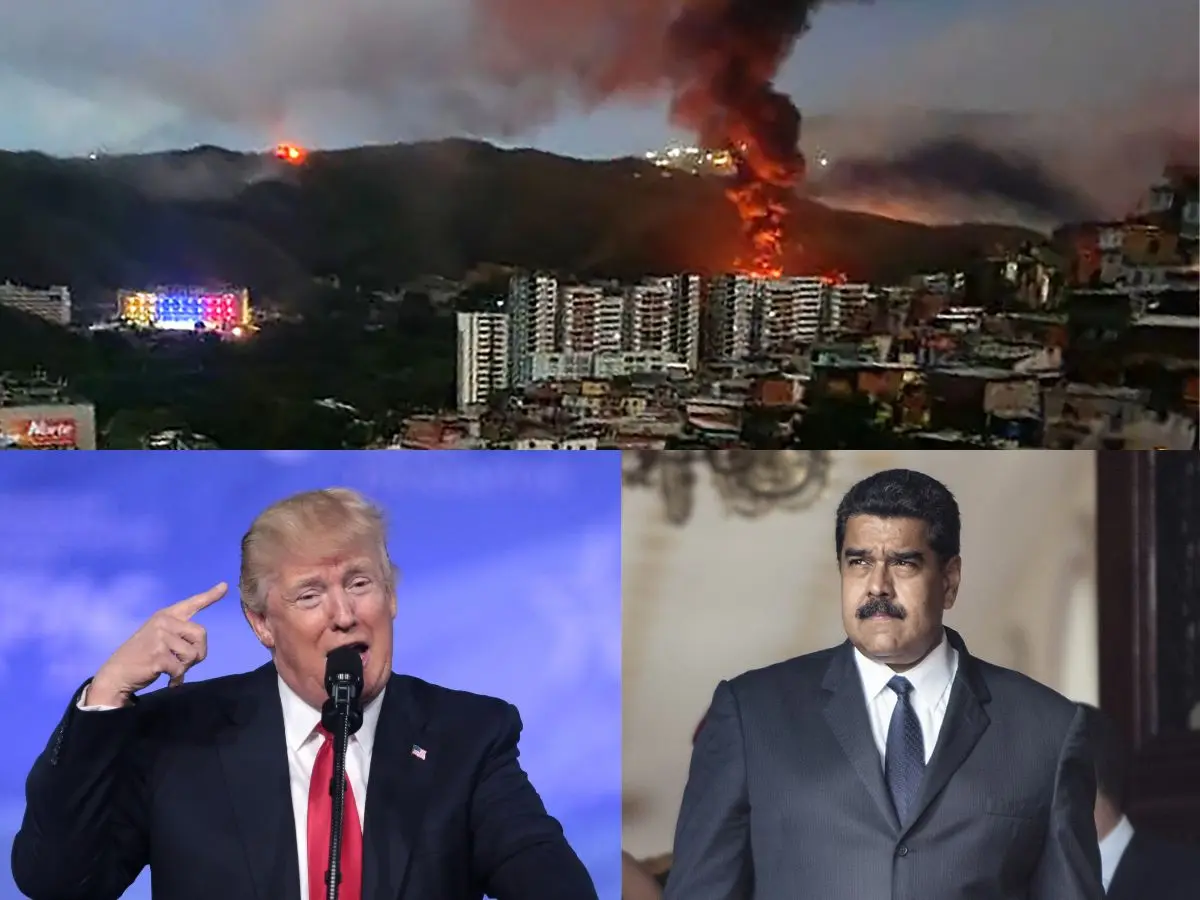
As tensions simmer following the United States’ attack on Venezuela on January 3, which saw the “capture” of President Nicolás Maduro, India has reacted with “deep concern”. Issuing a travel advisory for its nationals, India called on “all concerned to address issues peacefully through dialogue, ensuring peace and stability of the region.” But what has been India stance on wars since 1947, when the country gained independence as it navigates the ever-evolving terrain of geopolitics.
1950s
When the Korean war began in 1950, India condemned North Korea’s invasion, deploying a medical team that treated 200,000 wounded. Its role in resoving the Korean war was notable. During the 1956 Suez Crisis, India backed Egypt against Israel, the UK, and France, advocating for foreign troop withdrawal. That same year, it called for Soviet forces to leave Hungary, supplementing the plea with humanitarian aid but avoided any direct condemnation of Moscow initially.

1960-1970s
The 1967 Six-Day War and 1973 Yom Kippur War saw India staunchly support Arab states, reflecting its NAM solidarity and anti-colonial stance. India’s criticism extended to the US during the Vietnam War (1955-1975), recognizing a unified Vietnam in 1975, and the 1979 Chinese invasion of Vietnam, prompting then-Foreign Minister Atal Bihari Vajpayee to cut short a Beijing visit.
However, its response to the 1979 Soviet invasion of Afghanistan was more measured, abstaining at the UN. Any direct condemnation of Moscow was avoided, coming at a time when US-Pakistan were increasingly aligned. But then Soviet union had played a key role in supporting India during the 1971 Bangladesh war. India supported Vietnam’s occupation of Cambodia (1979-1989) for ending the Khmer Rouge’s genocide, diverging from Western, Chinese condemnation.
Trending Stories
-
&im=FitAndFill=(700,400))
North Korea sends tough message to US after Venezuela attack, fires multiple ballistic missiles -
&im=FitAndFill=(700,400))
‘Follower of an Indian Baba’: Why Venezuela’s captured dictator Nicholas Maduro worshiped Sathya Sai Baba -
&im=FitAndFill=(700,400))
Meet top 5 batters in latest ICC Test rankings 2026 -
&im=FitAndFill=(700,400))
US attacks Venezuela: What does it mean for gold, silver, and crude oil prices -
&im=FitAndFill=(700,400))
‘Nicolás Maduro captured’: How Venezuela’s military stacks up against the US Army -
&im=FitAndFill=(700,400))
What international law says about seizing a foreign President? -
&im=FitAndFill=(700,400))
Meet top 5 Indian batters with most ODI runs against New Zealand -
&im=FitAndFill=(700,400))
‘Preparing for actual war’: North Korea reveals REAL reason for missile launch amid US attack on Venezuela -
&im=FitAndFill=(700,400))
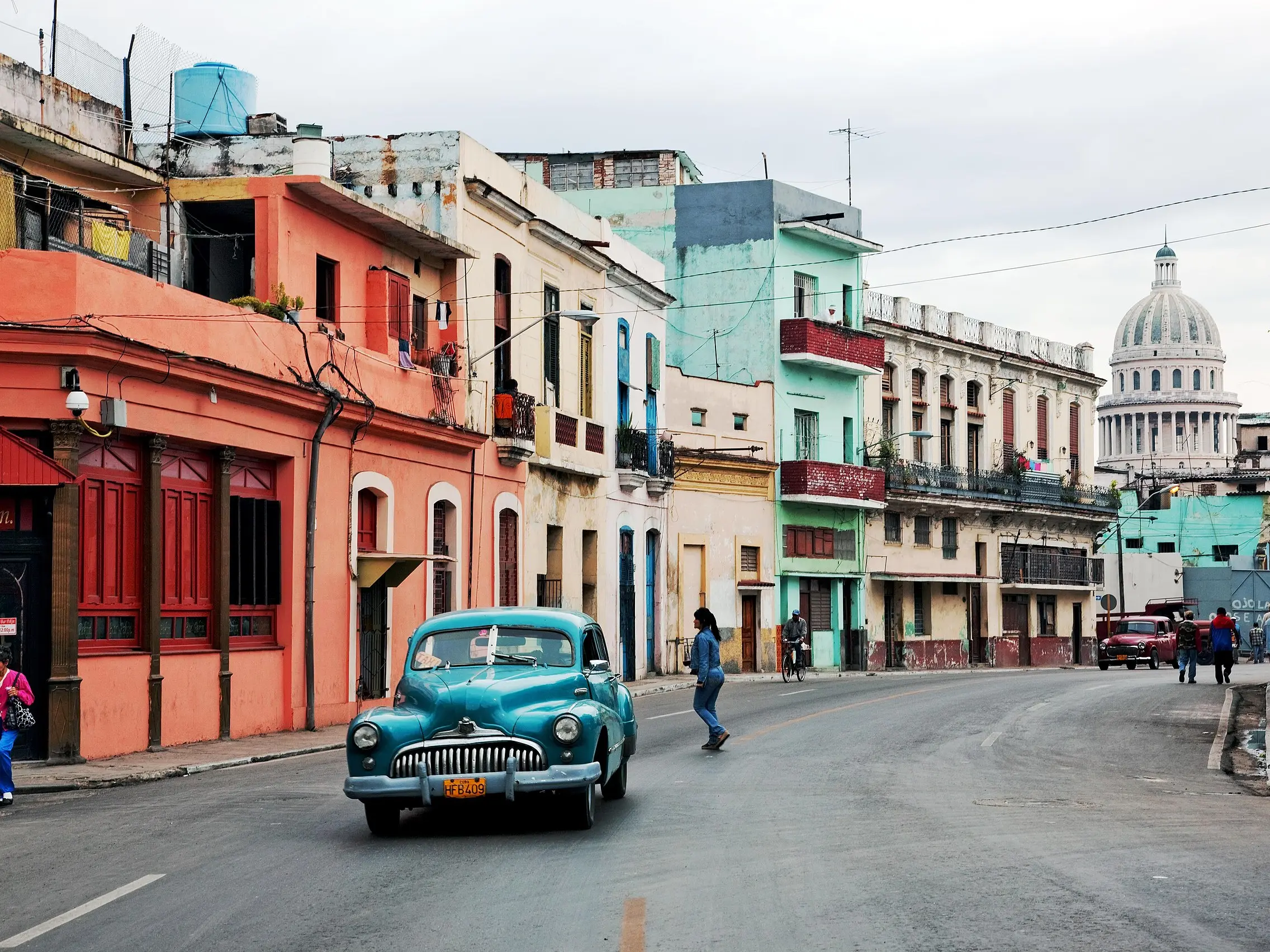
‘Got free oil from Venezuela’: Why Cuba’s collapse looks inevitable after capture of Nicholas Maduro -
&im=FitAndFill=(700,400))
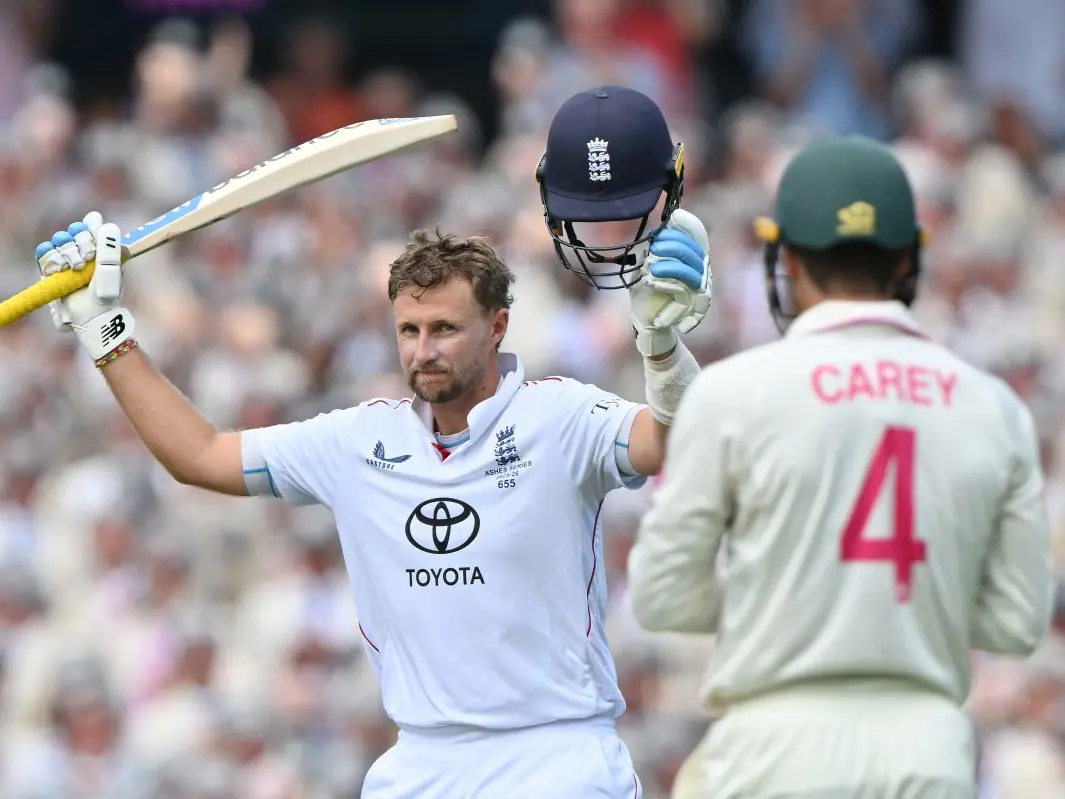
Meet top 5 batters fastest to 13,000 Test runs -
&im=FitAndFill=(700,400))
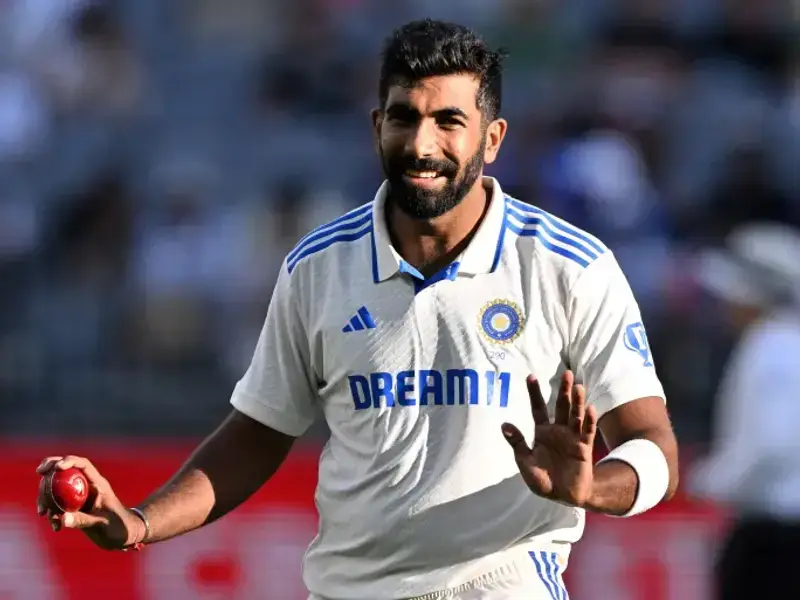
Meet top 5 bowlers in latest ICC Test bowling rankings 2026 -
&im=FitAndFill=(700,400))
New OTT Releases this week (Jan 5-11, 2026): The Night Manager S2 to Beast Games S2- 6 new movies and shows on Netflix, Prime Video and more
1980s-1990s
The 1980-1988 Iraq-Iran War saw India urge a ceasefire without condemning either side, while the 1982 Falklands War prompted a call for peaceful negotiations between Argentina and the UK. India strongly criticized Israel’s 1982 Lebanon invasion and the US interventions in Grenada (1983) and Panama (1989), aligning with NAM principles. During the 1991 Gulf War, India called for Iraq’s withdrawal from Kuwait, focusing on evacuating its nationals.
2000s
Post-2000, India adapted to new dynamics. It supported the US after 9/11 during the Afghanistan invasion (2001) but refused troops for the 2003 Iraq invasion, emphasizing the country’s sovereignty & UN mandates. The 2008 Russia-Georgia conflict and 2014-2022 Russia-Ukraine War saw India avoid criticizing Moscow. In fact after 2022, full outbreak of hostilities between Russia, and Ukraine, India emphasized on “dialogue and diplomacy” while mostly abstaining on any UN resolutions on the issue. India of course increased its input of cheap Russian energy that later attracted tariffs under Trump during his 2nd term.
During the 2020-2023 Nagorno-Karabakh War between Azerbaijan and Armenia, India urged troop withdrawal without explicit alignment. India’s export of defence assets to Armenia, and Azerbaijan’s full support to Pakistan made sure Baku-Delhi ties hit a rock bottom.
After the Hamas terror attack in 2023 on Israel, India had strongly condemned the act of terrorism, but as the Israeli operations gained pace in Gaza, and the humanitarian crisis increased, India called for respect for humanitarian law. And while the conflict rages, India had backed a 2 state solution as the viable option for peace.

