
The final week of 2025 may have moved at a syrupy slow pace, but bullion markets seem to be more volatile than ever. After an unprecedented year-end rally, gold rose past US$4,500 an ounce, notching its biggest yearly gain in over four decades, according to Bloomberg News. Meanwhile, silver and platinum aren’t far behind. The price of these precious metals more than doubled in 2025, with silver going up to US$75 an ounce, surpassing even gold’s explosive gains, and platinum crossing US$2,000, a level last seen in 2008.
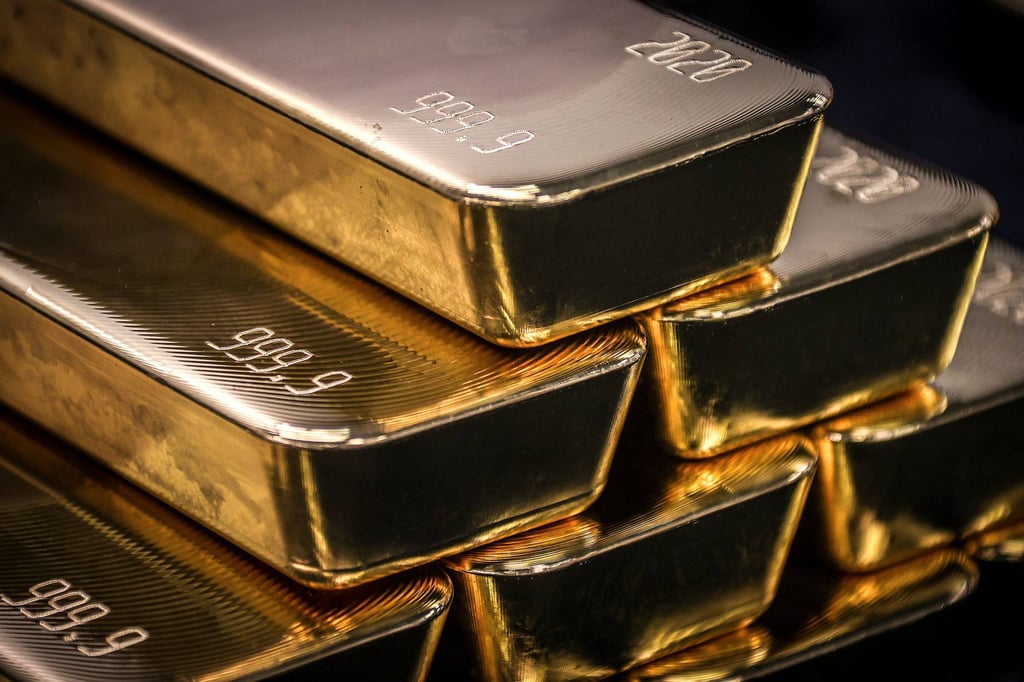
Now, a slump is following the euphoric highs. Gold prices went down 5 per cent in a single day on December 29, mirroring a similar decline earlier this year. Silver experienced an even more dramatic drop – 11 per cent on the day, which hasn’t happened since September 2020.
Advertisement
So, what exactly is making the gold market act up? Let us explain.
The Rise

Earlier this month, the Fed announced its third quarter-point rate cut of the year. Interest rates were lowered to stimulate the economy, fuelling expectations of more such cuts in the near future. As borrowing costs come down, savings earn less interest, making gold the more lucrative investment option to buyers, even if it does not bear interest. With everyone around the world going for gold, thanks to the Fed’s rate cuts weakening the US dollar, demand skyrocketed, and so did the prices.
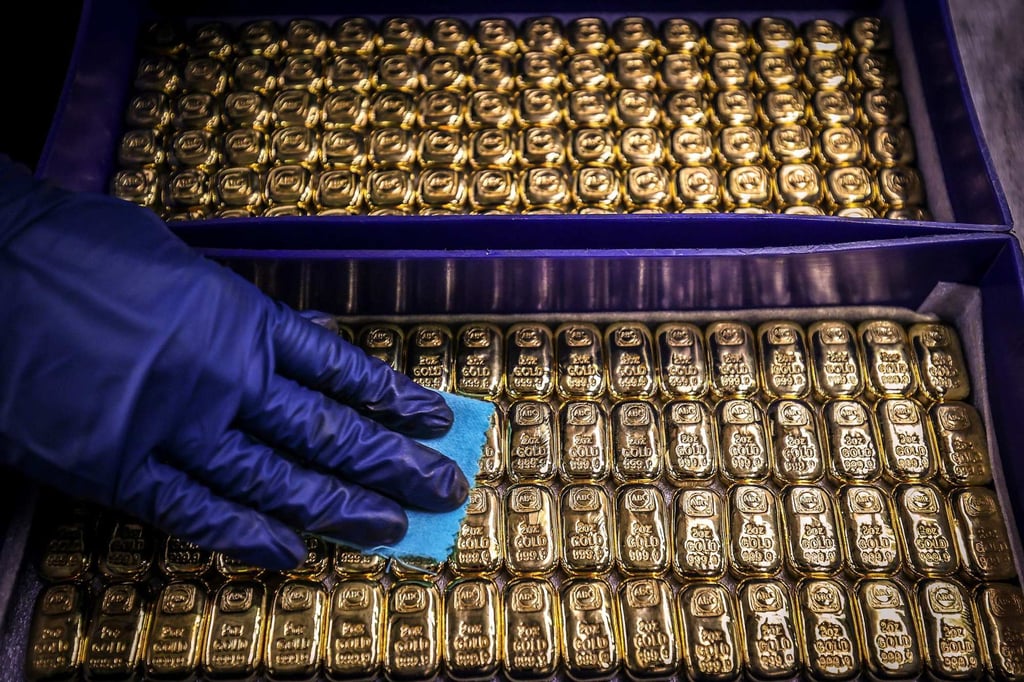
Add to this the current political climate of the world, such as the US’ conflicts with Venezuela and Nigeria, unrest in the Middle East and the Russia-Ukraine war – and investors are turning to gold for security. Furthermore, in 2025, the investor pool has reportedly expanded to include corporate players and even cryptocurrency companies. Central banks of countries like Poland, India, Brazil, Uzbekistan and China are also stockpiling gold, drawing down reserves and again leading to higher prices.
The Fall

