
Global arms sales reached a record high in 2024 amidst the wars in Ukraine and the Gaza Strip despite production issues that hampered deliveries.
This is revealed in a major reference report released on Monday by the Stockholm International Peace Research Institute (SIPRI).
On an annual basis, sales were valued at $679 billion (€586 billion), marking an increase of 5.9%. Over the last decade (2015–2024), the revenues of the top 100 manufacturers surged by 26%.
“Last year, global revenue for arms suppliers reached the highest level ever recorded by SIPRI, as manufacturers capitalized on robust demand,” commented Lorenzo Scarazzato, of SIPRI’s Military Expenditure and Arms Production Programme.
Jad Guiberto Ricard, also from the program, explained that the increase “was mainly driven by Europe,” although all regions saw growth except for “Asia and Oceania.” She linked the soaring European demand to the war in Ukraine and the “sense among European states that they are threatened by Russia.”
This trend is driven both by Ukraine’s needs and by the needs of the countries that have supplied material and are now required to replenish their own stockpiles. In European countries, “we saw major modernization plans underway, representing a new source of demand,” Ricard added.
The United States and arms sales
Thirty-nine of the top 100 global arms suppliers are American, including the three largest: Lockheed Martin, RTX (formerly Raytheon Technologies), and Northrop Grumman. US military industries saw a combined revenue increase of 3.8% to $334 billion (€288 billion)—accounting for half of the global total.
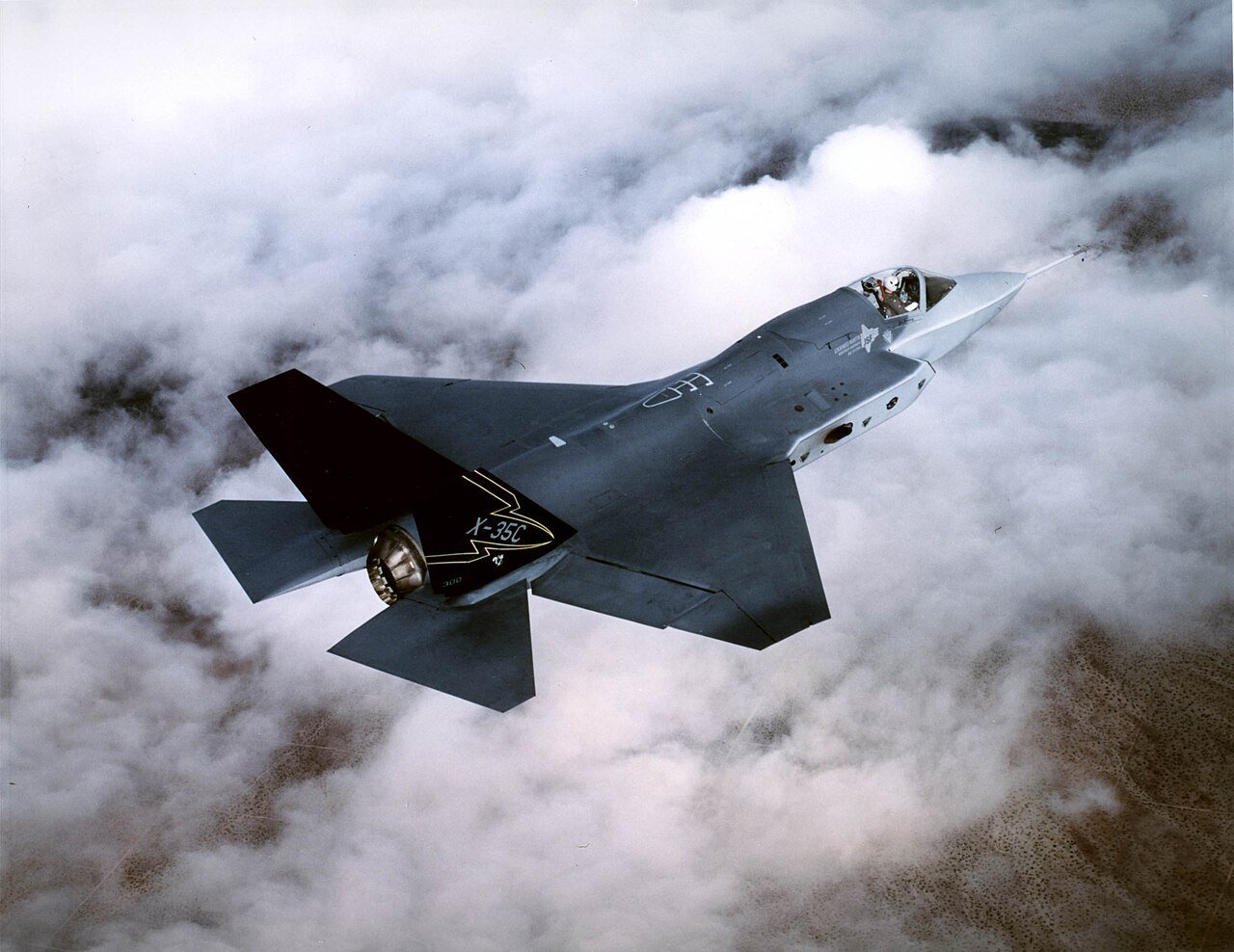
However, various key US programs have been plagued by budget overruns and delays, notably the F-35 fighter jets and the Columbia-class submarines.
Europe and arms sales
The combined revenue of the 26 largest European arms manufacturers rose by 13% to $151 billion. The Czech company Czechoslovak Group saw its revenue surge by 193%—the largest rise among the top 100—to $3.6 billion, benefiting from the Czech initiative to supply artillery shells to Ukraine.
European manufacturers are struggling to meet the increased demand due to difficulties securing raw materials. For instance, both Airbus and Safran (France) sourced titanium mainly from Russia before 2022 and were forced to seek new suppliers.
Furthermore, export restrictions imposed by China on rare earth elements led companies like Thales (France) and Rheinmetall (Germany) to see their operating costs rise due to supply chain reconfiguration.
Russia and arms sales
Two Russian manufacturers are included in the top 100. Rostec and United Shipbuilding Corporation saw their combined revenue increase by 23% to $31.2 billion. Despite component shortages due to international sanctions, domestic demand largely offset the reduction in exports.
The report notes that Russian defense industries are struggling to find enough skilled workers “to support the projected production rates necessary to achieve the goals of the war in Ukraine.”
The Middle East: Demand for Israeli arms unaffected
Nine of the top 100 arms manufacturers are based in the Middle East, with a combined turnover of $31 billion. Three Israeli companies accounted for over half of this amount ($16.2 billion, a 16% increase).
Researcher Zubaida Karim commented, “The growing backlash against Israel’s actions in the Gaza Strip appeared to have minimal impact on the demand for Israeli weapons.”
Asia and Oceania
This region was the only one to see an overall decline, with the total revenue of its 23 listed manufacturers decreasing by 1.2% to $130 billion.
According to SIPRI, the situation in Asia is not uniform. Chinese manufacturers recorded lower sales, while Japanese and South Korean industries saw their revenues rise, boosted by European demand.
China
“A series of corruption allegations in China’s arms procurement led to the postponement or cancellation of major contracts…in 2024,” noted Nan Tian, director of the Military Expenditure and Arms Production Programme.
This decline has deepened the “uncertainty” surrounding China’s military modernization efforts.

