
The Next Dangerous Wars: Global Conflicts That Could Shape the Future
As tensions between major global powers continue to rise, experts warn that the world may be entering one of the most dangerous periods in modern history. Several geopolitical flashpoints are developing simultaneously, involving nuclear-armed nations, powerful alliances, and strategic regions. These potential conflicts could escalate quickly and impact global security, economies, and millions of lives.
While diplomacy continues, military buildups and political tensions suggest that the risk of new wars remains high. Here are the most dangerous conflicts the world is watching closely.
United States and China: Taiwan at the Center of Tension
The most dangerous potential conflict today is between United States and China over Taiwan. China considers Taiwan a breakaway province and has repeatedly stated that it will reunify Taiwan with mainland China, even by force if necessary. Meanwhile, the United States supports Taiwan’s defense and maintains military presence in the region.
Over the past few years, China has increased military exercises near Taiwan, sending fighter jets and naval ships into surrounding waters. In response, the United States has strengthened partnerships with regional allies, including Japan, South Korea, and Australia. This growing military presence has raised fears that even a small incident could escalate into a major war.
This conflict is especially dangerous because Taiwan produces a large share of the world’s advanced semiconductor chips. A war in this region could disrupt global supply chains, affecting technology, automotive industries, and communication systems worldwide.
Russia and NATO: Rising European Tensions
Another major flashpoint is the ongoing tension between Russia and the North Atlantic Treaty Organization. Since the war in Ukraine began, relations between Russia and NATO countries have worsened significantly.
NATO has increased troop deployments in Eastern Europe, particularly in countries like Poland, Lithuania, Latvia, and Estonia. These moves are intended to deter potential aggression, but they also increase the risk of accidental confrontation.
The situation is extremely dangerous because both Russia and NATO countries possess nuclear weapons. Any direct conflict could escalate rapidly into a global crisis. Military experts warn that misunderstandings, cyberattacks, or border incidents could trigger a wider confrontation.
India and Pakistan: A Long-Standing Nuclear Flashpoint
Tensions between India and Pakistan remain one of the world’s most dangerous unresolved conflicts. The two countries have fought several wars, primarily over the disputed region of Kashmir.
Both nations possess nuclear weapons, making any escalation extremely risky. Border skirmishes and political tensions occasionally increase fears of renewed conflict. Even small incidents along the Line of Control have previously led to serious military standoffs.
The danger lies in how quickly tensions can escalate. A local border incident, airspace violation, or militant attack could trigger a broader military confrontation. Because both countries have large populations and powerful militaries, the consequences could be severe.
Israel and Iran: Expanding Middle East Tensions
Tensions between Israel and Iran have also increased significantly. The conflict is not limited to direct confrontation but extends through regional alliances and proxy groups across the Middle East.
Countries affected include Lebanon, Syria, Iraq, and Yemen. Any escalation between Israel and Iran could quickly involve multiple nations and global powers.
The United States and Saudi Arabia could also become involved, increasing the risk of a broader regional war. Such a conflict would likely affect global oil supplies and economic stability worldwide.
North Korea and South Korea: Sudden War Risk
The Korean Peninsula remains another dangerous flashpoint. Tensions between North Korea and South Korea continue due to missile testing, military exercises, and political disputes.
North Korea has expanded its missile capabilities and nuclear program, raising concerns among neighboring countries. The United States maintains military forces in South Korea, increasing the possibility of a wider conflict if tensions escalate.
Countries like China and Japan could also become involved, making the situation more complex and dangerous.
Conclusion: A World Facing Multiple Risks
Today’s global landscape is marked by multiple high-risk conflicts developing at the same time. Unlike previous decades, many of these tensions involve nuclear-armed nations and advanced military technologies.
Experts believe the most dangerous scenario is a conflict between the United States and China over Taiwan, followed by Russia-NATO tensions and Middle East conflicts. However, any of these flashpoints could escalate unexpectedly.
The coming years will be crucial. Diplomatic efforts, international cooperation, and strategic decision-making will determine whether these tensions lead to war or peaceful resolution. The world is watching closely, hoping that dialogue and diplomacy prevail over conflict.
As tensions rise across different regions, experts warn that several geopolitical flashpoints could become the next dangerous wars after the ongoing tensions between the United States and Iran. These potential conflicts involve major powers, nuclear-armed nations, and strategic trade routes — making them extremely risky for global stability.
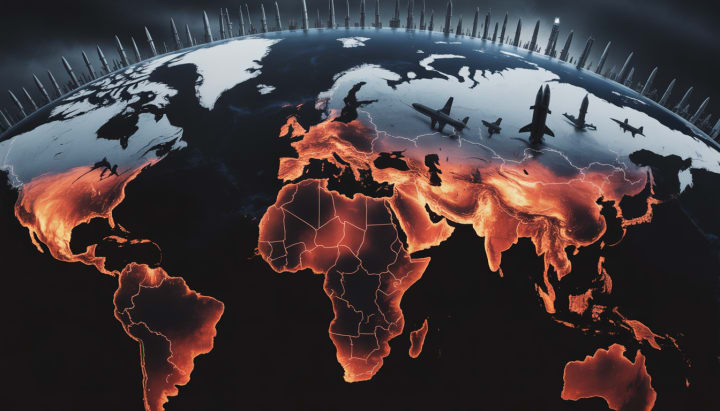
Here are the most dangerous conflicts the world is watching right now:
1. United States vs China — Taiwan Crisis
The most dangerous potential war is between the United States and China over Taiwan. China considers Taiwan part of its territory, while the United States supports Taiwan’s defense.
Why This Is Dangerous:
- China has increased military drills around Taiwan
- US has deployed naval forces in the region
- Taiwan produces most of the world’s advanced computer chips
- Both countries are nuclear powers
If conflict begins, it could become World War-level escalation involving allies like:
- Japan
- South Korea
- Australia
This is considered the most dangerous future war by many analysts.
2. Russia vs NATO Expansion Risk
The war between Russia and Ukraine has already increased tensions with NATO countries. Experts fear escalation if conflict spreads into NATO territory.
Why This Is Dangerous:
- Russia has nuclear weapons
- NATO includes 30+ countries
- Any NATO attack triggers collective defense
Countries at Risk:
- Poland
- Lithuania
- Latvia
- Estonia
This scenario could quickly escalate into a global conflict.
3. India vs Pakistan
India and Pakistan remain one of the world’s most dangerous nuclear flashpoints, especially over Kashmir.
Why This Is Dangerous:
- Both countries have nuclear weapons
- History of multiple wars
- Border tensions occur frequently
Even a small incident could escalate quickly.
4. Israel vs Iran Regional War
Israel and Iran tensions are increasing through proxy conflicts in the Middle East.
Countries Involved:
- Lebanon
- Syria
- Iraq
- Yemen
This could become a Middle East-wide war involving:
- United States
- Saudi Arabia
5. North Korea vs South Korea
North Korea continues missile testing and nuclear development.
Why This Is Dangerous:
- Nuclear weapons
- Heavy militarized border
- US troops stationed in South Korea
Countries That Could Join:
- United States
- China
- Japan
Which One Is Most Dangerous?
Experts rank the risks:
- US vs China (Taiwan) — Most dangerous
- Russia vs NATO — High global risk
- Israel vs Iran — Middle East escalation
- India vs Pakistan — Nuclear flashpoint
- North Korea vs South Korea — Sudden war risk
Conclusion
The world today is facing multiple dangerous flashpoints at once. Unlike the past, many of these conflicts involve nuclear powers, advanced weapons, and global alliances.
This makes the next war potentially larger, faster, and more dangerous than previous conflicts.
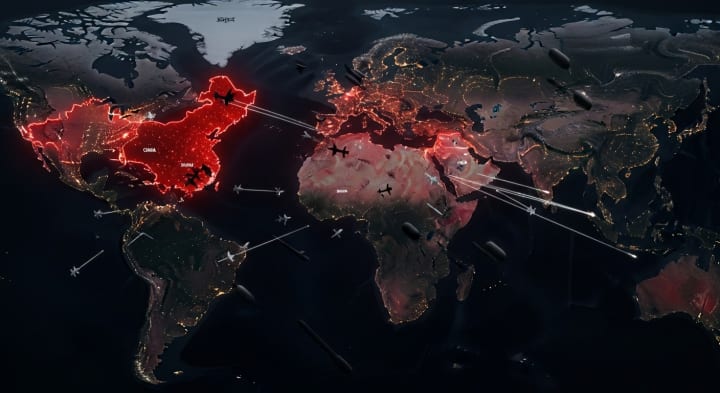
The coming months and years will be critical as diplomacy, military strategy, and global politics shape whether these tensions turn into wars — or are resolved peacefully.

