The Armed Conflict Location & Event Data Project (ACLED) recorded 204,605 conflict events from December 1, 2024 to November 28, 2025, resulting in over 240,000 deaths, in its newly released Conflict Index update on global conflicts.
ACLED listed the following as “Extreme” hot spots, experiencing the highest levels of conflict severity in 2025: the Israeli-Palestinian conflict, Myanmar, Syria, Mexico, Nigeria, Ecuador, Brazil, Haiti, Sudan and Pakistan.
In 2025, states in Europe, the Middle East, and Asia escalated violence against neighbors, domestic groups, and protesters, with air and drone strikes reaching record levels. States are now driving higher levels of violence, producing a distinct conflict pattern marked by urban attacks, bombings, and expanded military operations. ACLED reported that the use of air and drone attacks hit an unprecedented peak, with defense budgets rising to sustain these operations. About six percent of the world’s population was exposed to conflict in 2025.
The top 10 included in ACLED’s deadliness ranking for 2025 were Ukraine, Sudan, the Israel-Palestinian conflict, Myanmar, Nigeria, Somalia, Syria, Mexico, Brazil and the Democratic Republic of Congo. Mexico, Ukraine, Brazil and Syria, as well as the Israel-Palestinian conflict, lead the danger ranking.
The war in Ukraine and the Israel-Palestinian conflict continued to drive the level of violence, contributing over 40 percent of conflict events worldwide this year, though the number of recorded events fell slightly from the previous 12 months. The Israeli-Palestinian conflict remains the most geographically diffuse, with violence reported across nearly 70 percent of Gaza and the West Bank.
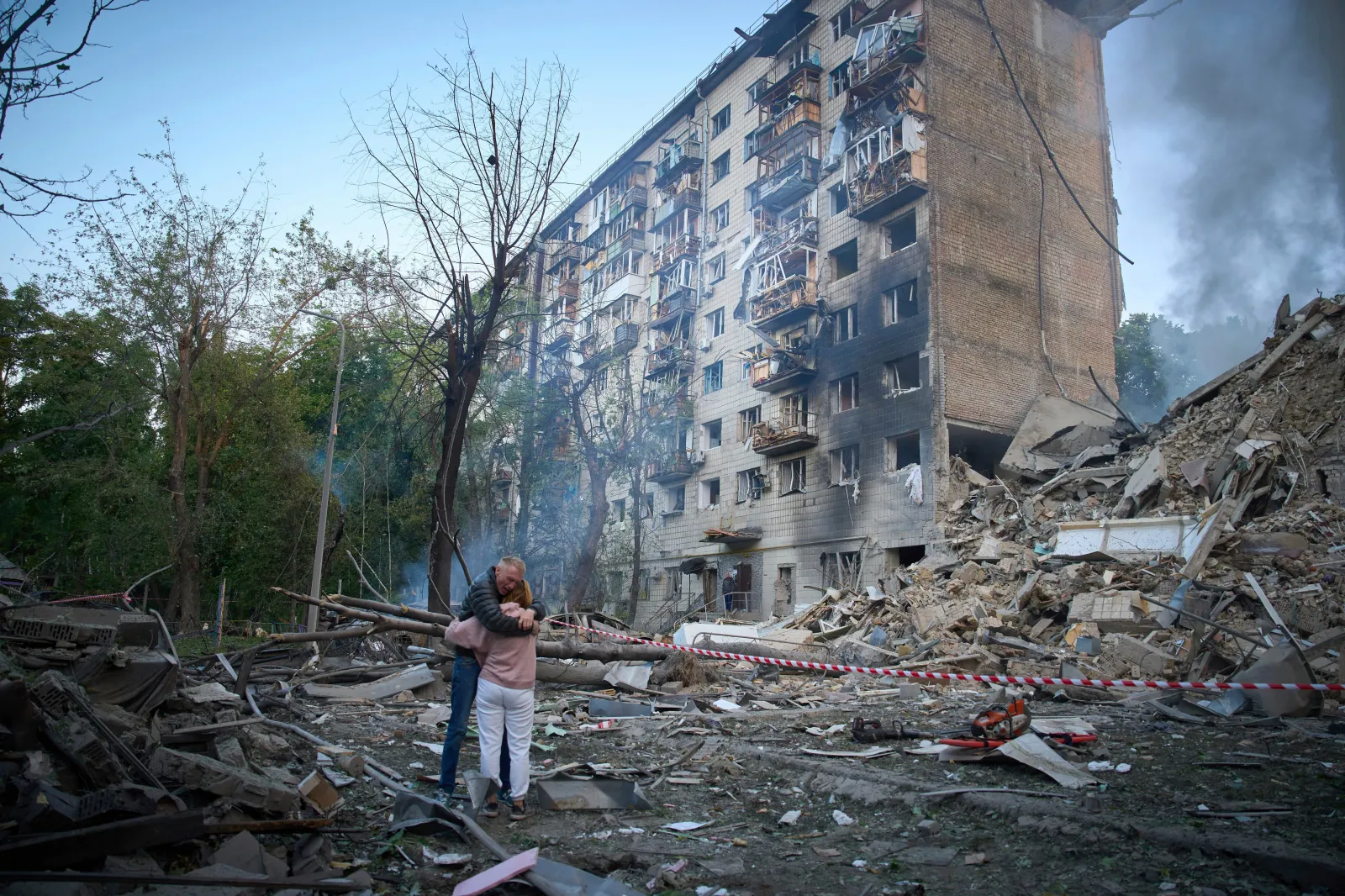
Ukraine saw the world’s deadliest conflict in 2025, with almost 78,000 fatalities. Russian indiscriminate targeting across Ukraine resulted in the deaths of over 2,000 civilians.
Civil wars in Myanmar—which saw over 13,700 conflict-related deaths nationwide—and Sudan remained intense, while gang-driven violence fueled high levels of conflict in Latin America, with Brazil, Ecuador, Haiti, and Mexico ranking among the world’s top 10 most violent countries.
Sudan became the deadliest conflict in Africa for civilians with over 17,000 people killed between January and November. ACLED said no group has inflicted more violence against civilians than Sudan’s Rapid Support Forces (RSF) as non-state armed groups and mobs account for roughly two-thirds of all violence against civilians.
In Syria, conflict-related deaths rose from just over 6,000 to more than 9,000 over the past year, fueled by political rivalries, sectarian violence, and foreign interference.
Gang violence drove Ecuador’s rise to sixth place, with over 50 armed groups—including nearly 40 gangs—responsible for more than 2,500 events, over half targeting civilians.
ACLED’s CEO Clionadh Raleigh said in a virtual press briefing on Tuesday: “Between 2019 and last year, conflict rates had doubled and this year, they stayed at the same level that we experienced last year. And what this suggests is that we have reached some sort of a threshold, some sort of a new normal, at extremely elevations of violence, and in fact, extremely elevated experiences of violence across the world.”
ACLED Head of Analysis Andrea Carboni said: “Civilians around the world do not just face more violence, they face more state violence.”
In 2026, this violence is likely to continue, while more people than ever may be exposed to conflict, according to Raleigh.