
Expectations of monetary tightening by global central banks have intensified, triggering a fresh wave of sell-offs in risk assets as the US-Israel war with Iran enters its fourth week with no signs of de-escalation.
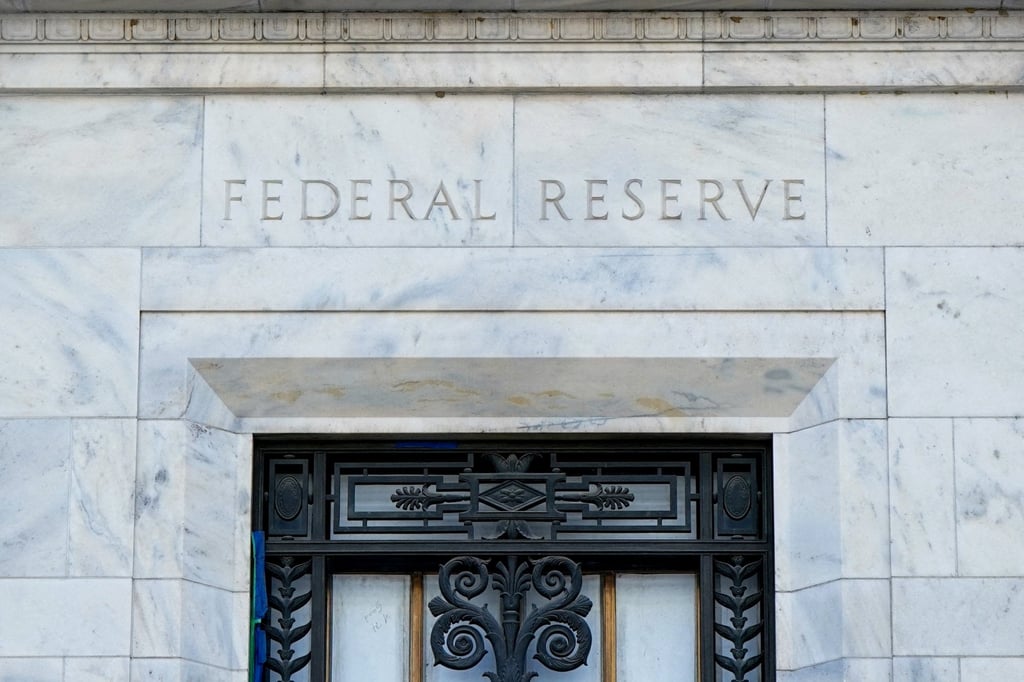
Rates traders are now projecting no rate cuts by the Federal Reserve this year after chair Jerome Powell said last week that rising oil prices added uncertainty to the monetary outlook. That stands in contrast to the forecast of two reductions before the outbreak of the hostilities in the Middle East.
The European Central Bank (ECB) has become more hawkish, reverting to wording that analysts say often precedes interest-rate increases. In Asia, Bank of America dropped its prediction of rate cuts in China this year and ING predicted that South Korea might raise borrowing costs as early as May after nominating a more hawkish central bank governor.
Advertisement
Australia boosted its interest rate by 25 basis points last week to reflect higher energy costs.
The jitters reverberated across markets in Asia on Monday, with stocks tumbling and bond yields edging higher. Even gold, the traditional haven for market turmoil, cratered with a more than 8 per cent decline, as a higher interest-rate environment is set to reduce the appeal of the non-yielding metal.
Tighter financial conditions would be a setback for global equities, which had traded at elevated levels before the oil shock on optimism that the multiples could be underpinned by monetary easing by central banks.
Advertisement

