
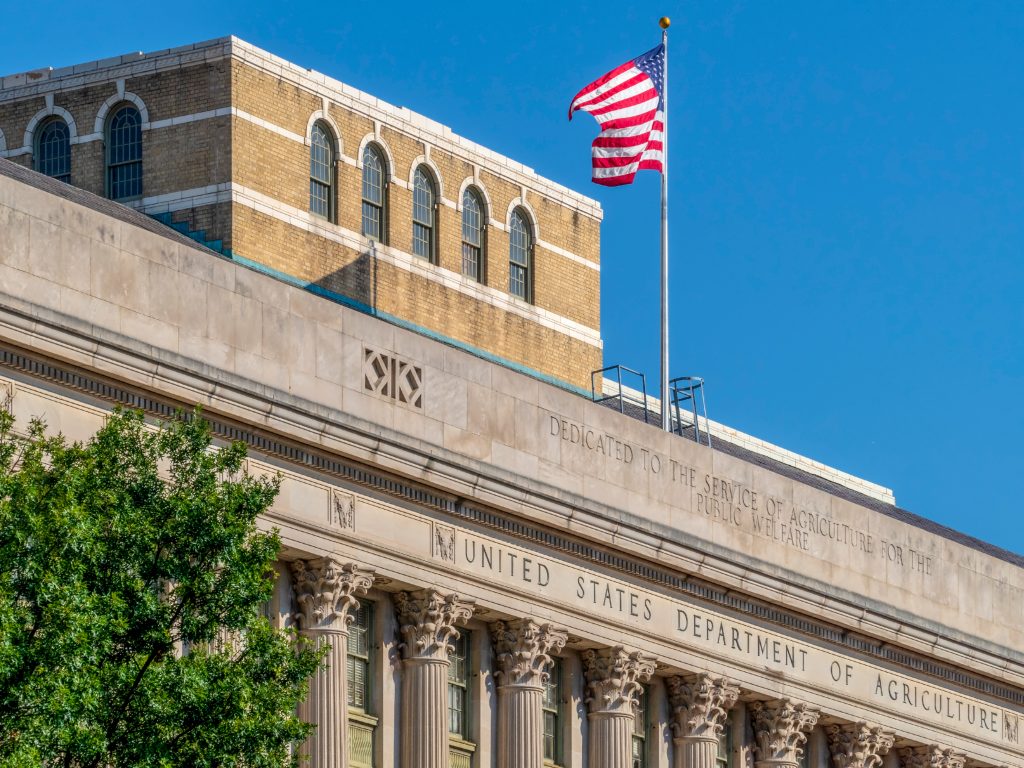
In a significant move to bolster the bottom line for American farmers and ranchers, the U.S. Department of Agriculture has officially opened the doors to a massive new investment in global commerce. The initiative, headlined by the “America First Trade Promotion Program” (AFTPP), represents a strategic pivot aimed at capitalizing on newly negotiated market access and ensuring U.S. commodities find willing buyers overseas.
Doubling Down on Promotion At the heart of the announcement is a substantial financial commitment. Under Secretary for Trade and Foreign Agricultural Affairs Luke Lindberg unveiled the AFTPP, a $285 million infusion designed to supercharge the industry’s ability to market American goods.
“We announced a $285 million program that essentially doubles our investment in those trade promotion programs that help sell our products,” Lindberg explained.
The program functions as a powerful complement to the USDA’s existing export promotion framework. Currently, “cooperators”—the various organizations representing specific commodity groups across the country—utilize USDA funds to market products, organize trade missions, and participate in international trade events. The AFTPP opens the field even wider: agricultural trade organizations, U.S. ag cooperatives, state agencies, and regional trade groups are all eligible to apply.
With the application window closing rapidly on January 23, the race is on for these groups to secure funding that could define their international strategy for the coming year.
A Three-Pronged Strategy The AFTPP is just one pillar of a broader, three-pronged strategy championed by Agriculture Secretary Brooke Rollins and Under Secretary Lindberg. The comprehensive plan is laser-focused on one goal: building U.S. agricultural trade and export opportunities.
According to Lindberg, the strategy is designed “to focus on how we can win new deals specifically in markets where the President has negotiated new market access.”
Reciprocity and “Wins” The second prong of the plan introduces a new model for agricultural engagement abroad: “Trade Reciprocity for U.S. Manufacturers and Producers.” While traditional trade missions have long been a staple of agricultural diplomacy, this new model is explicitly results-oriented, designed to secure immediate commercial victories in markets that have recently opened their doors.
“You want to get wins in those markets where the President has unlocked new market access,” Lindberg stated.
He pointed to a recent success story as a blueprint for this approach: the May agricultural trade mission to the United Kingdom. Following high-level negotiations, the U.S. ethanol industry is now successfully filling a new quota in the U.K. market—a tangible result of aligning trade missions with fresh policy wins.
Financing the Deal The final leg of the stool addresses the often-complex world of export finance. The USDA is revitalizing its financial tools, specifically the GSM-102 credit guarantee program. The goal is to modernize the program to be more agile and targeted.
Lindberg emphasized that the revamped program is about timing and precision. By “tweaking and revitalizing” the system, the USDA aims to provide “the exact right financing at the exact right moment.” This ensures that no potential foreign buyer is forced to walk away from purchasing American commodities due to a lack of liquidity or credit.
Looking Ahead As the January 23 deadline for the AFTPP approaches, the USDA’s message to the agricultural sector is clear: the administration is moving aggressively to convert diplomatic wins into signed contracts. Through a combination of direct marketing cash, targeted trade missions, and modernized financing, the agency hopes to secure a more dominant position for American agriculture in the global marketplace.
For more information on the America First Trade Promotion Program, visit grants.gov.

