
Marc Franklin, Deputy Head of Multi Asset Solutions, Asia at Manulife Investments, sees global markets entering a phase of sharper differentiation, where capital flows, energy exposure and artificial intelligence (AI) linked growth will define winners and laggards. His outlook suggests that the era of broad-based rallies is giving way to a more selective market environment driven by structural and macro shifts.
He emphasises that while strong AI-led investment and resilient US growth continue to support markets, rising oil prices, currency pressures and uneven exposure to technological change are creating clear divergences across regions—particularly between developed and emerging markets, and within Asia itself.
Watch the full conversation here or scroll for edited excerpts.

These are edited excerpts from the interview.Q: Your quick take on the Fed decision and the dissents this time?
A: The overall committee balance and tone were quite in keeping with the progression of the data and expectations of how it may evolve on pricing. From what we’ve seen in recent weeks, US economic data has been broadly healthy, except for housing purchase volumes. Outside of that, it’s been quite strong.
At the same time, given developments in oil prices, it is prudent for several Fed officials to recognise that headline inflation will likely trend higher. So, overall, it was appropriate that the outcome reflected a more balanced tone.
If you look at rate repricing in the market, even though yields moved higher by high single digits to low double digits, the actual pricing of rate cuts or hikes remained fairly modest in the broader context.
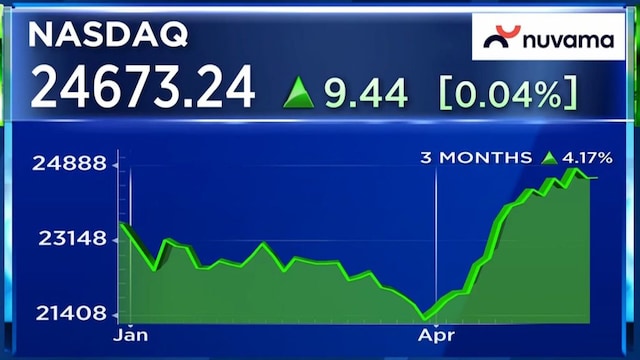 Q: What did you make of the mega-cap rally and the renewed momentum in artificial intelligence (AI) linked stocks?
A: One consistent theme across reporting companies has been strong growth in capex and investment, often directed towards AI—building compute capacity and developing internal capabilities.
The investment numbers and forward guidance remain robust. While this does weigh on balance sheets and free cash flow, the alternative—companies scaling back investment—would signal a loss of confidence in future growth or returns on capital expenditure.
Also Read | Nifty may stay between 23,000 and 24,500 for now: Axis Capital
So, it is better that companies continue at the pace, as it signals optimism from management teams. However, markets will not remain patient indefinitely. They will want to see material returns on that investment in the medium term to justify the allocation of capital towards future growth rather than existing business drivers.
Q: What is your approach to global equity markets, including India?
A: Looking at developed markets first, we have seen divergence between US and European equities in recent weeks. This is rational, as the European economy is more sensitive to oil supply shocks and less exposed to the upside from the AI boom.
Markets are beginning to differentiate between winners and regions that may struggle in the current macro environment.
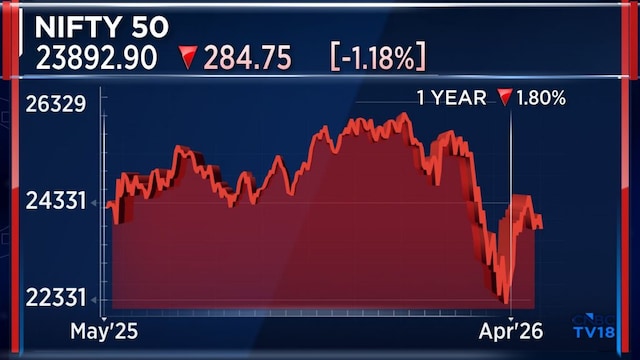
In emerging markets, similar dynamics are at play. It’s important to distinguish between net energy exporters and importers, as well as legacy business models at risk from AI versus those benefiting from it.
Another key factor is currency and capital flows. We are seeing a strengthening US dollar and capital moving into US assets, particularly equities. This puts pressure on emerging market currencies that are sensitive to capital outflows.
As a result, there is dispersion within emerging markets as well—Korea and Taiwan are performing strongly, while Southeast Asian markets and, to some extent, India are lagging within the regional context.
Catch all the latest updates from the stock market here

