CFC appoints Isabel Finn to newly created cyber exposure leadership role | Insurance Business
The newly created role is designed to strengthen the feedback loop between incidents, threat intelligence and underwriting decisions
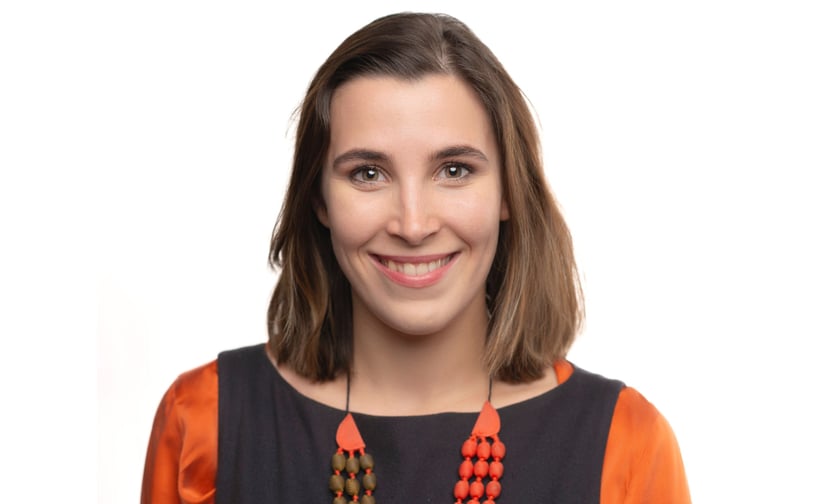
CFC has appointed Isabel Finn (pictured) as head of cyber exposure and proactive risk, a newly created role aimed at sharpening how cyber risk is identified, understood and reduced across the insurance lifecycle.
The specialist insurance provider said the position reflects growing demand from brokers and clients for clearer, more actionable insight into cyber exposure, including how risk is developing, how it affects coverage and pricing, and what can be done earlier to mitigate it.
Cyber background and market-facing focus
Finn joins CFC with a background in cyber security, exposure analysis and risk translation. Throughout her career, she has focused on helping insurers, underwriters and security leaders understand how technical cyber risk manifests in real‑world loss and how it can be mitigated through better insight and prioritisation.
Prior to joining CFC, Finn was cyber services manager at Canopius, where she led cyber exposure and service initiatives supporting underwriting and risk reduction. She previously held roles as senior cyber security consultant at FTI Consulting and cyber analyst at Darktrace, building experience across incident response, threat analysis and the commercial application of cyber risk insight.
CFC said the role will also strengthen its engagement with brokers and the wider market by supporting more structured dialogue on how cyber exposure data is shared, interpreted and applied in practice, influencing underwriting decisions as well as proactive risk management and response.
As more carriers develop in‑house threat intelligence and incident response teams, there is increasing scrutiny from brokers over how consistently that intelligence is communicated and incorporated into day‑to‑day underwriting and client advice.
Turning data into decision-ready intelligence
In her new role, Finn will focus on translating CFC’s reserves of real‑world incident data, threat intelligence and monitoring insight into decision‑ready intelligence to support broker placement conversations and help clients understand where their greatest exposures sit. She will work closely with CFC’s underwriting, product, proactive cyber and incident response teams to ensure exposure insights are directly reflected in underwriting assessment, proactive services and claims mitigation strategies.
The appointment formalises work that many cyber carriers and MGAs have been doing more informally as incident volumes and data sets have grown.
As portfolio‑level insight on ransomware, business interruption, supply chain and vulnerability trends becomes richer, insurers are under pressure from both brokers and capacity providers to show how those insights feed back into appetites, wordings, pricing and minimum control requirements.
“Cyber risk has become more complex and more data-rich than ever before,” said Jason Hart, managing director of proactive and global cyber security services at CFC. “The challenge for the market is turning that data into something brokers and clients can put to use. Isabel’s role is about closing that gap.”
A shift from capacity to quality
The appointment points to several broader themes in the cyber market. As loss experience has built up and pricing has stabilised after the sharp corrections of recent years, differentiation is shifting from capacity alone to the quality of analytics, controls guidance and pre‑loss services wrapped around the policy.
The move also underlines how cyber is increasingly managed as a dynamic, data-rich class where underwriting, security services and incident response are tightly connected rather than operating in silos.
“I’m really excited to join CFC. What stood out to me is the strength of its response, intelligence and monitoring capabilities, and the depth of real‑world data that sits behind them,” said Finn. “That creates a real opportunity to turn what we see in incidents into something more forward‑looking, helping clients and underwriters better understand where risk is building and how to act on it at speed.”
Related Stories
LATEST NEWS